Introduction
The last few years have shown us just how fragile global supply chains can be. From pandemic-related shutdowns to geopolitical conflicts and natural disasters, disruptions have become the rule, not the exception.
For businesses, the lesson is clear: resilience is no longer optional, it's mission-critical. And the key to resilience? Data.
By leveraging data-driven insights, organizations can move from reactive firefighting to proactive, predictive, and even self-healing supply chain strategies.
The Traditional Challenges of Supply Chain Resilience
Despite investments in technology, many organizations still face hurdles:
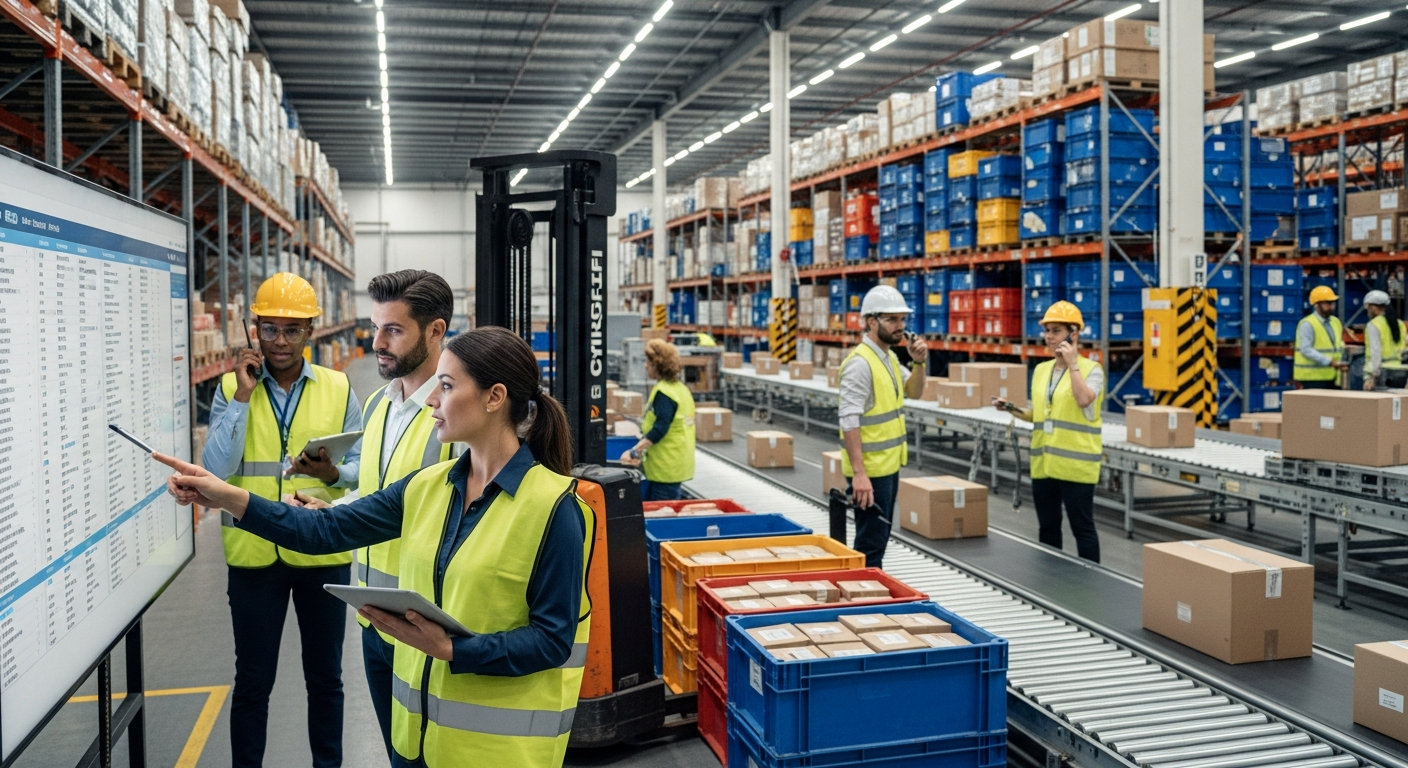
- Limited Visibility: Siloed systems prevent end-to-end visibility across suppliers, logistics, and inventory
- Reactive Responses: Most disruptions are identified too late to prevent downstream impact
- Inefficient Forecasting: Traditional forecasting models can't keep pace with volatile demand patterns
- Overreliance on Single Sources: Dependence on a limited supplier base increases vulnerability
- Lack of Agility: Legacy systems make it hard to adapt quickly when conditions change
How Data-Driven Insights Transform Resilience
End-to-End Visibility
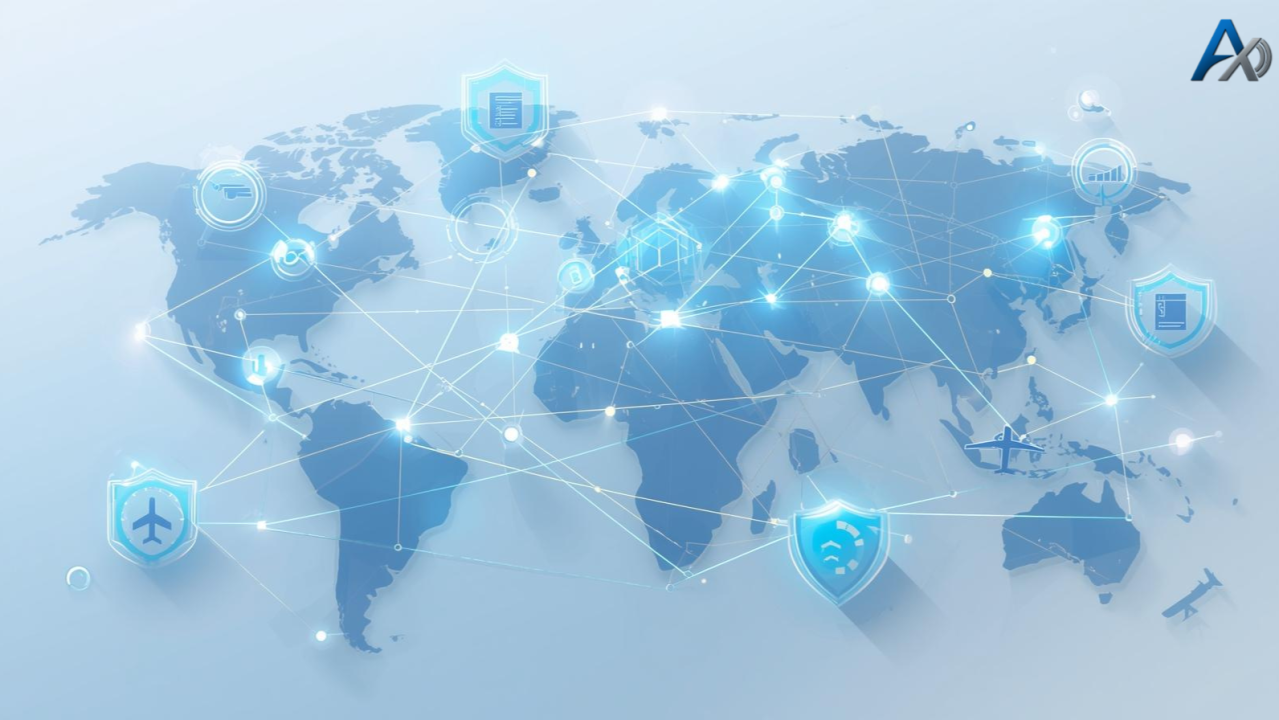
Advanced analytics and IoT sensors give organizations real-time visibility across the supply chain, from raw material suppliers to last-mile delivery.
Predictive Analytics
Machine learning models analyze patterns in demand, logistics, and global events to forecast potential disruptions before they occur.
Scenario Simulation
Digital twins of supply chains allow companies to simulate "what if" scenarios, testing the impact of disruptions and optimizing response strategies.
Dynamic Risk Assessment
AI-powered risk models continuously score suppliers, routes, and inventory based on real-time data, allowing organizations to prioritize mitigation efforts.
Smarter Inventory & Logistics Optimization
By combining demand forecasting with real-time logistics data, companies can balance cost efficiency with resilience, avoiding both shortages and overstock.
Benefits of Data-Driven Supply Chains
- Faster Response Times: Real-time alerts enable quicker action when disruptions occur
- Reduced Costs: Optimized inventory and logistics reduce waste and inefficiencies
- Improved Supplier Relationships: Data insights drive collaboration and transparency
- Greater Customer Satisfaction: Meeting demand reliably builds brand trust
- Future-Proofing: Organizations can adapt to new risks faster than competitors
Conclusion: From Fragile to Future-Ready
Resilient supply chains are not built overnight. But with data-driven insights, organizations can evolve from fragile, reactive systems to future-ready networks capable of predicting and adapting to disruption.
In the years ahead, the winners won't be those with the lowest costs, it will be those with the strongest, smartest, and most resilient supply chains.