Introduction
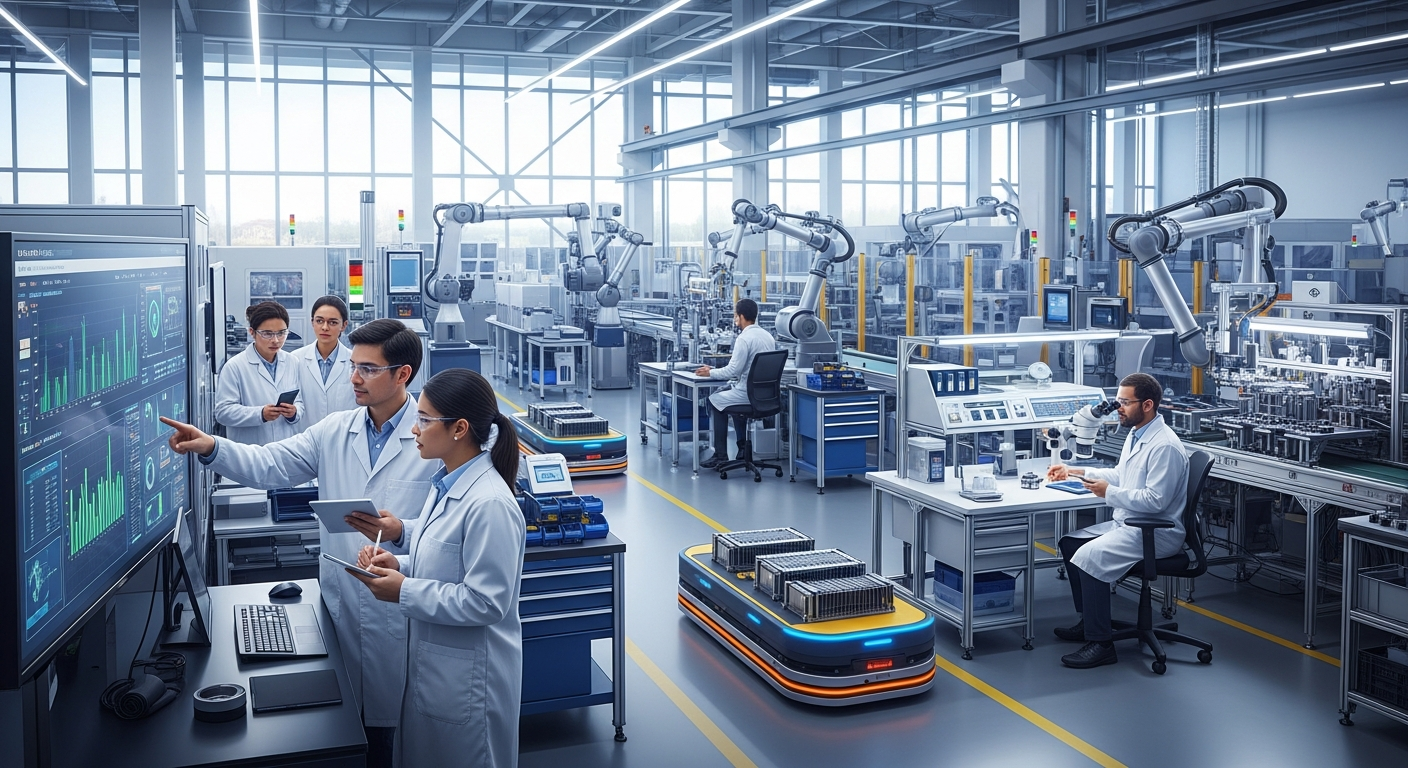
Industry 4.0 has transformed manufacturing into a connected, data-driven ecosystem. With IoT devices, sensors, robotics, and AI powering the shop floor, manufacturers generate massive volumes of data every second. The challenge? Most of this data is too slow or too costly to process in the cloud.
This is where Edge Computing steps in, bringing intelligence closer to where data is generated. And when paired with AI Automation and AI Agents, it opens up powerful possibilities for predictive maintenance, quality control, and operational efficiency.
Challenges Confronting Manufacturers
- Latency in Decision-Making: Reliance on centralized cloud infrastructure often introduces processing delays, restricting the ability to respond to real-time events like equipment malfunctions or process deviations
- Exponential Growth of Data: Modern factories generate vast volumes of sensor and machine data, transferring it all to the cloud is both cost-prohibitive and inefficient
- Unplanned Downtime and Equipment Failures: Unexpected machinery breakdowns remain one of the most significant sources of financial loss, disrupting production and impacting customer trust
- Workforce Productivity Constraints: Shortages of skilled labour and increasing system complexity make it challenging to monitor and manage operations effectively
- Heightened Cybersecurity Risks: Moving sensitive operational data across networks to external cloud platforms increases the risk of data breaches and cyberattacks
How Edge Computing Solves These Problems
- Real-time insights: Data is processed directly on machines, enabling instant anomaly detection and response
- Reduced costs: Only essential data is sent to the cloud, cutting bandwidth and storage costs
- Higher uptime: Equipment can self-monitor and predict failures before they happen
- Data security: Sensitive data stays local, minimizing risks
- Scalability: Edge solutions can be deployed at multiple plants with consistency
AI Automation + AI Agents: Taking Edge Computing to the Next Level
Edge computing solves where data is processed, AI automation and AI agents solve how insights are used.
- AI Agents for Predictive Maintenance: Instead of waiting for a sensor alert, AI agents monitor multiple data streams (temperature, vibration, pressure) in real time and automatically schedule maintenance before a failure
- AI-driven Quality Control: Vision-based AI agents at the edge detect defects on the assembly line instantly, reducing recalls and ensuring consistent quality
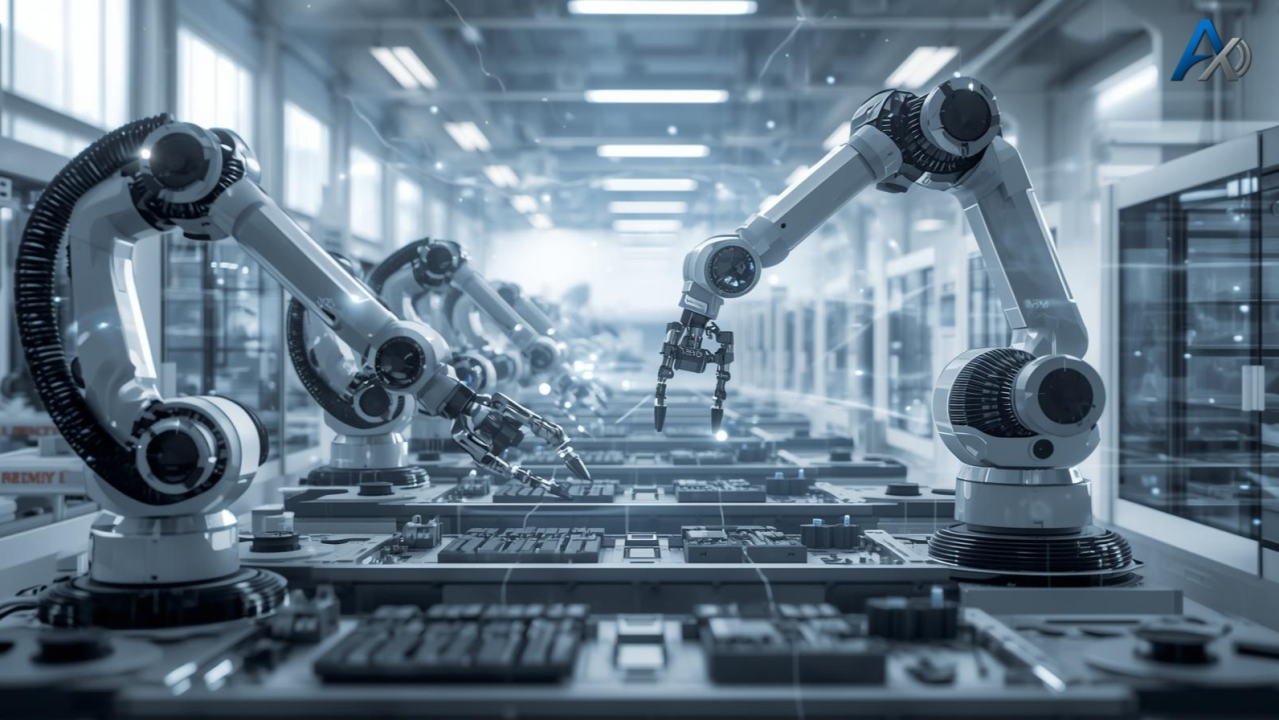
- Autonomous Production Lines: AI agents coordinate between robots, conveyors, and inventory systems to self-adjust speed, allocation, and routing without human intervention
- Energy Optimization: AI automation learns usage patterns, dynamically reducing power consumption without compromising production
- Worker Augmentation: AI copilots assist human operators with real-time recommendations, instructions, or voice-activated troubleshooting
Key Use Cases of Edge + AI in Manufacturing
- Smart Factories: Machines communicate autonomously for efficiency
- Predictive Maintenance: Avoid costly downtime with real-time diagnostics
- AI-powered Quality Assurance: Automated defect detection on the line
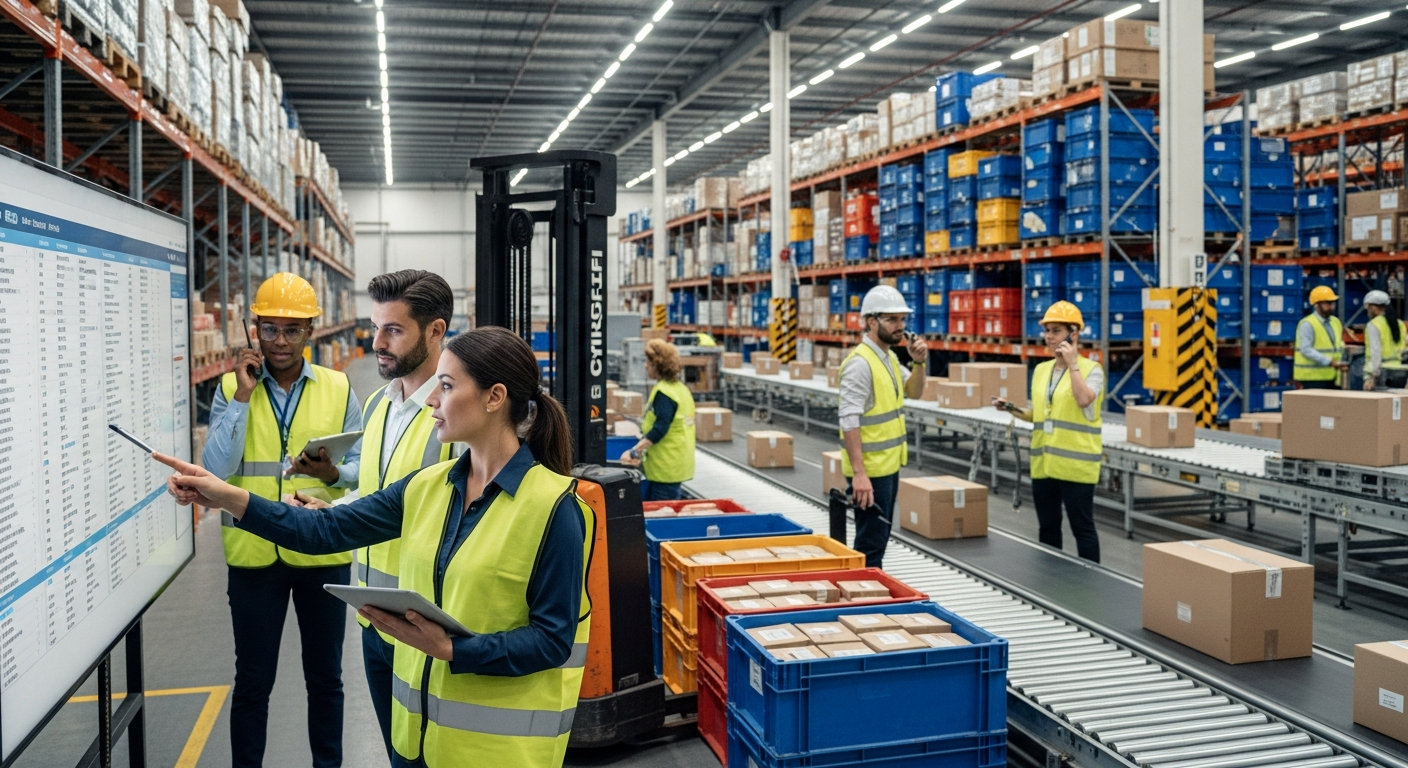
- Supply Chain Optimization: Real-time tracking of goods and logistics
- Worker Safety Monitoring: Edge AI detecting hazardous conditions instantly
Conclusion
Edge computing is the backbone of Industry 4.0, but when fused with AI automation and AI agents, it doesn't just process data. It transforms factories into intelligent, self-optimizing systems.
Manufacturers that embrace this combination will reduce costs, improve quality, boost uptime, and future-proof their operations.
The future of manufacturing isn't just connected. It's intelligent at the edge.