Introduction
In manufacturing, quality is everything. A single defect can ripple across the supply chain, leading to recalls, reputational damage, and significant financial loss. Traditional quality control methods, often dependent on human inspection or rule-based systems, struggle to keep pace with modern production demands.
This is where AI-powered quality control is transforming the industry. By combining machine vision, machine learning, and real-time analytics, manufacturers can detect defects earlier, reduce waste, and build more resilient production lines.
The Limitations of Traditional Quality Control
- Human Error: Manual inspections are prone to fatigue and inconsistency
- Random Sampling: Spot-checking leaves room for defective products to pass undetected
- Slow Feedback Loops: Issues are often identified late, increasing scrap and rework costs
- Rigid Systems: Rule-based approaches fail to adapt to new defect types or subtle variations
How AI is Enhancing Quality and Defect Detection
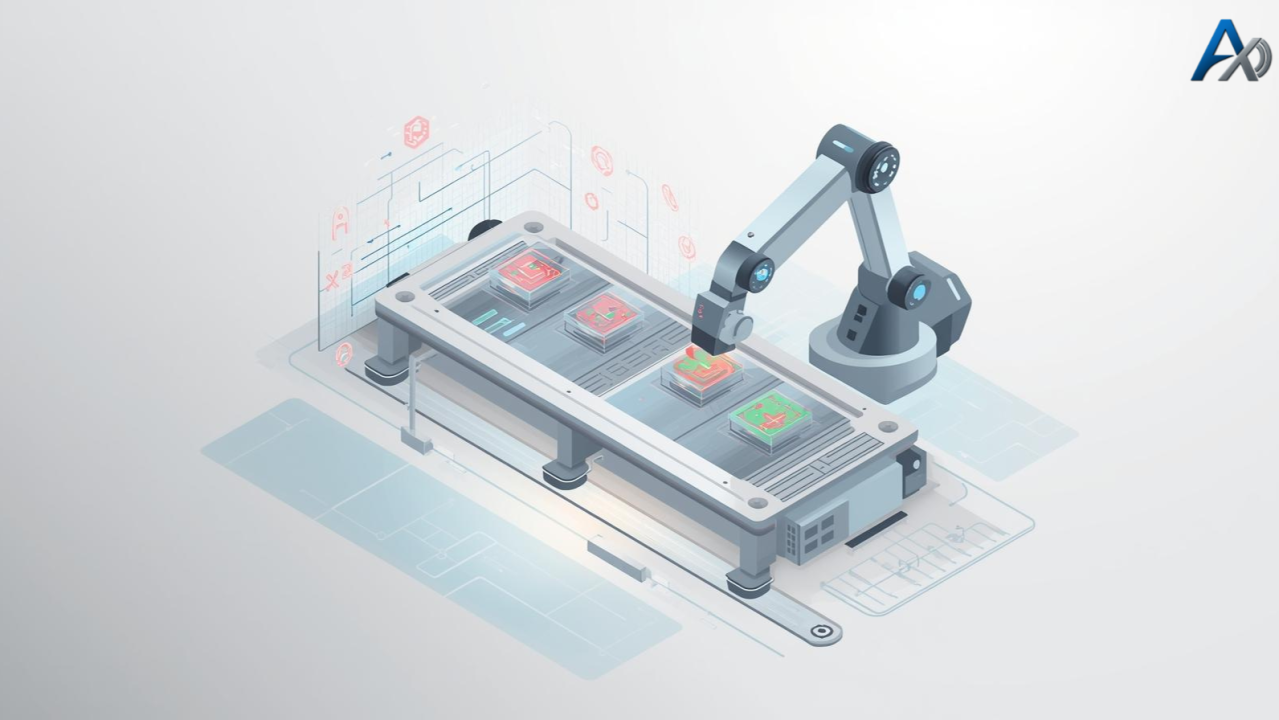
- Computer Vision for Automated Inspections: High-resolution cameras paired with AI algorithms identify surface defects, misalignments, or micro-cracks at scale, often with greater accuracy than the human eye
- Predictive Defect Detection: Machine learning models analyze sensor data, production parameters, and historical defect patterns to predict where defects are likely to occur before they happen
- Adaptive Learning: Unlike static rule-based systems, AI models continuously learn from new data, adapting to changing materials, product lines, and defect types
- Real-Time Feedback: AI-powered systems provide instant alerts when a defect is detected, reducing downtime and preventing defective batches from advancing further
- Integration with Robotics: AI-enabled robots can not only detect but also remove or rework defective items automatically, closing the loop between detection and action
Benefits for Manufacturers
- Higher Accuracy: Reduced false positives and negatives in defect detection
- Lower Costs: Less waste, fewer recalls, and optimized resource use
- Faster Production: Automated inspection keeps up with high-speed manufacturing lines
- Continuous Improvement: AI-driven insights reveal process inefficiencies and root causes of recurring defects
- Customer Trust: Consistent quality enhances brand reputation and reliability
Conclusion: From Quality Control to Quality Intelligence
AI is pushing manufacturing from reactive inspection to proactive quality intelligence. Instead of catching defects at the end of the line, manufacturers can now predict, prevent, and continuously improve processes.
In an era of global competition and demanding customers, AI-powered quality control is no longer optional, it's essential for staying competitive.