From Factory Floors to Cloud Cores
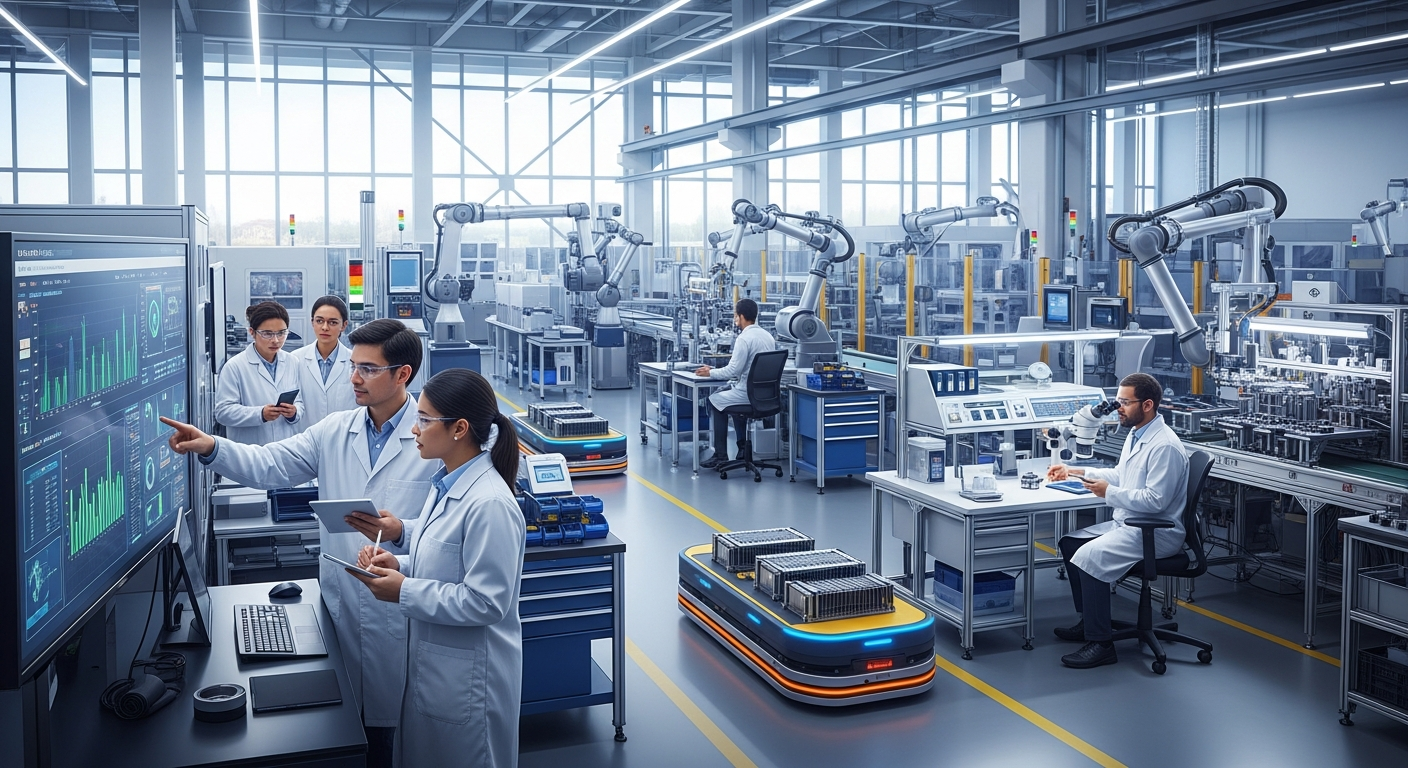
Manufacturing is evolving faster than ever. What was once driven by machinery and manpower is now powered by data, automation, and connectivity.
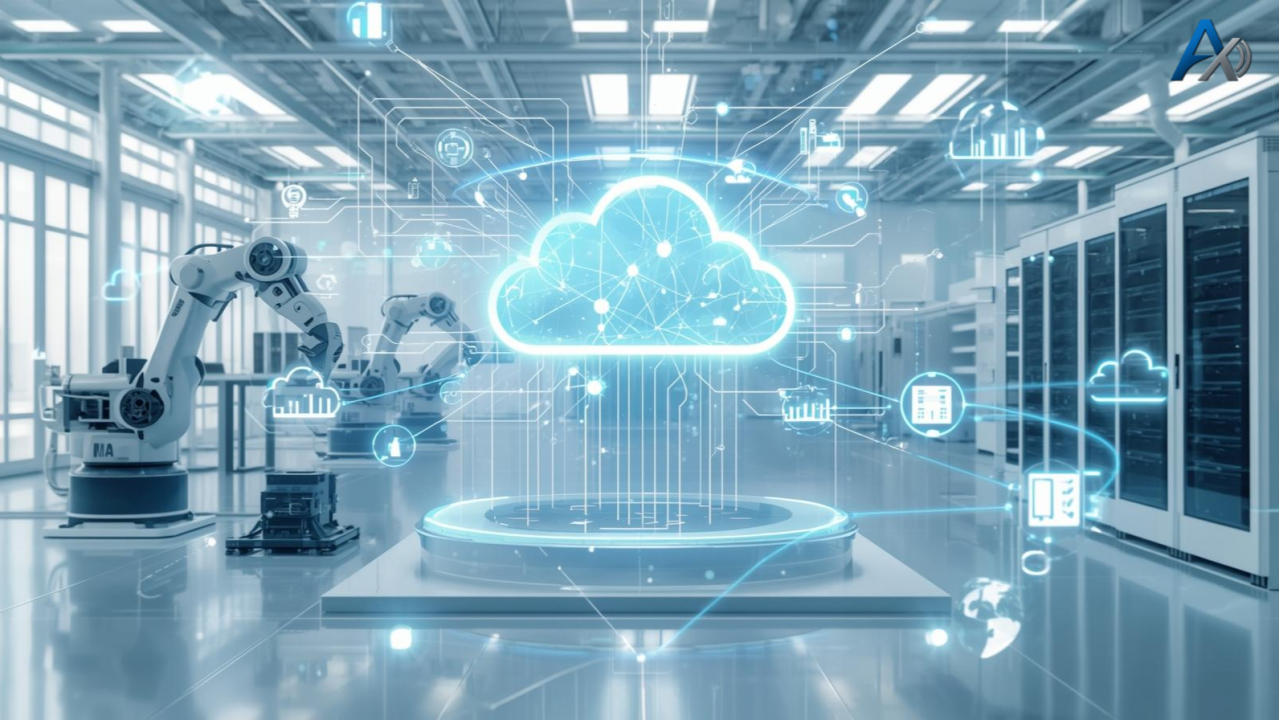
In this transformation, cloud platforms have become the backbone, enabling manufacturers to scale faster, collaborate globally, and innovate continuously.
The modern factory is no longer defined by its walls. It's defined by its network.
Why Scalability Matters in Modern Manufacturing
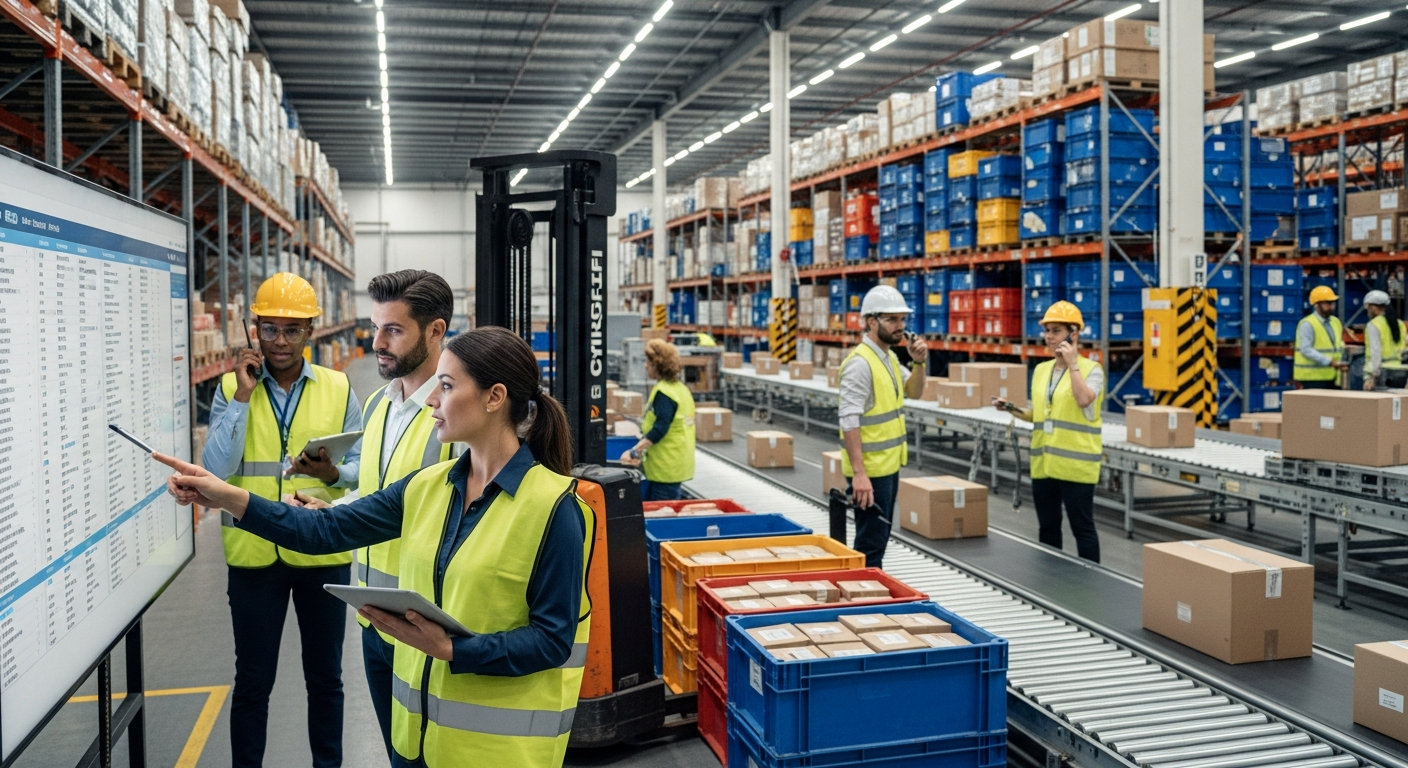
Manufacturers today face constant flux: shifting demand, fluctuating costs, supply chain disruptions, and rapidly changing technologies.
Traditional on-premise systems weren't built to handle this level of dynamism. Scaling required new hardware, licenses, and time, resources that manufacturers can't afford to waste.
Cloud platforms change that. They offer instant scalability, real-time data visibility, and seamless collaboration, all essential for Industry 4.0.
How Cloud Platforms Power Scalable Manufacturing
Elastic Infrastructure
Manufacturers can scale computing power up or down instantly, matching capacity to demand without over-investing in hardware.
Centralized Data Visibility
With cloud-based MES and ERP systems, decision-makers access live production data across plants, suppliers, and logistics networks.
Collaborative Innovation
Design, production, and R&D teams can collaborate in real-time across continents using shared cloud environments, accelerating product development cycles.
IoT Integration
Cloud platforms enable IoT devices and sensors to continuously stream performance data, unlocking predictive maintenance, quality control, and process optimization.
AI and Analytics at Scale
The cloud empowers manufacturers to run complex AI and analytics workloads, from predictive maintenance to demand forecasting, without needing on-prem infrastructure.
In short: the cloud turns manufacturing into a living, learning system.
Beyond Efficiency: Agility and Innovation
The true value of cloud manufacturing isn't just efficiency, it's agility.
When market shifts happen, manufacturers can adjust production instantly based on live data, deploy new software or analytics globally in hours, and integrate new suppliers or automation systems seamlessly.
This agility transforms the manufacturing model from fixed and reactive to adaptive and predictive.
Security and Compliance in the Cloud
Security remains a top priority for cloud adoption in manufacturing. Today's leading cloud platforms offer end-to-end encryption, role-based access control, and continuous monitoring and compliance with standards like ISO 27001 and NIST.
Manufacturers gain resilience, redundancy, and regulatory confidence, often exceeding what traditional IT could provide.
Cloud + Sustainability = Smart Growth
The move to cloud infrastructure also supports sustainability goals. Optimized resource usage reduces energy waste, cloud-enabled predictive systems minimize overproduction, and global data centres are increasingly powered by renewable energy.
Scalable doesn't have to mean unsustainable. With the cloud, it often means the opposite.
The Future: Cloud-Native Manufacturing Ecosystems
The next evolution of manufacturing will be fully cloud-native, where every element of production, from design to delivery, is connected through an intelligent data fabric.
Expect to see autonomous factories driven by AI and cloud orchestration, digital twins simulating entire manufacturing ecosystems, multi-cloud collaboration across supply chain partners, and serverless automation enabling instant scalability with zero downtime.
Manufacturing isn't just moving to the cloud, it's becoming the cloud.
Final Thought
Cloud platforms are redefining what scalability means in manufacturing. They empower factories to be faster, smarter, and more sustainable, not by working harder, but by working connected.
The future of manufacturing will be written in code, powered by data, and scaled by the cloud.