Smart Factories Are Smart, But Are They Secure?
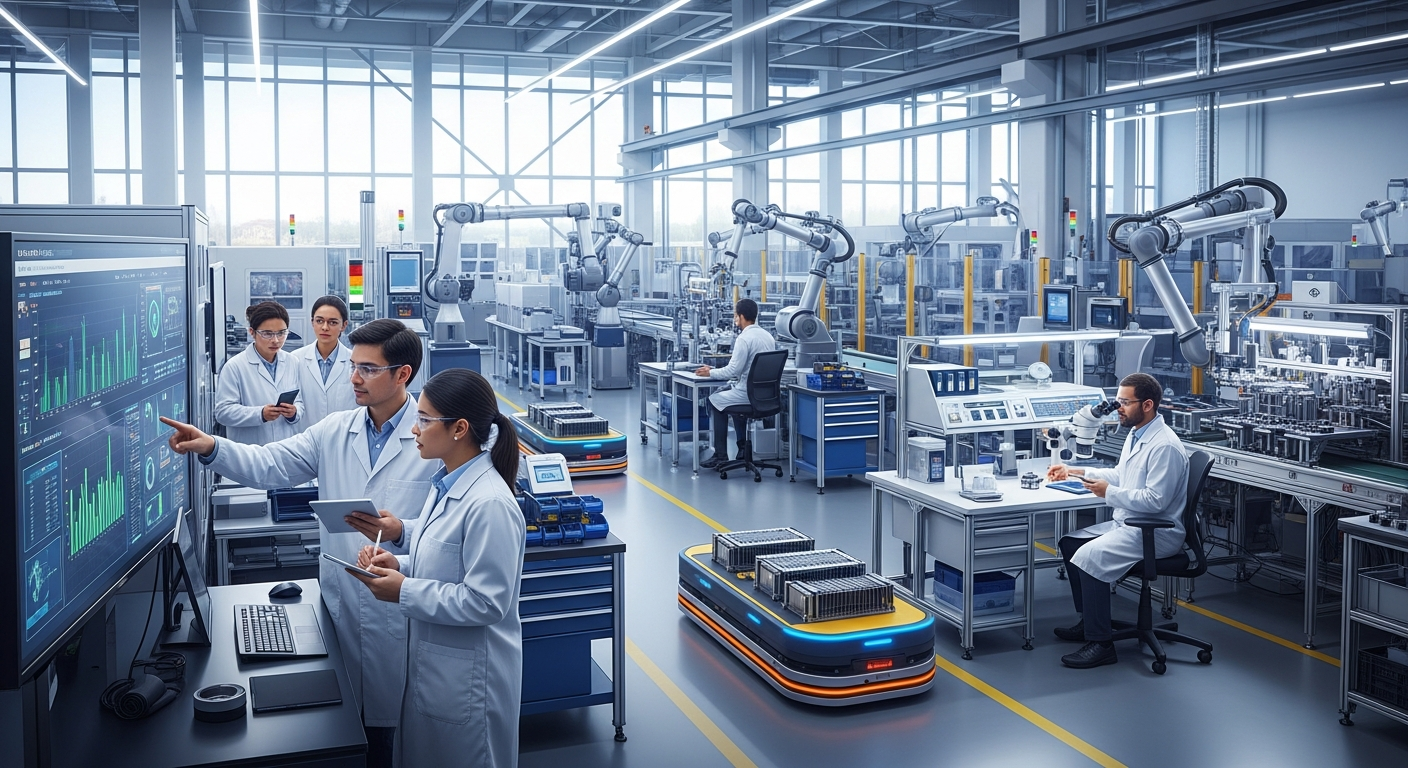
The rise of Industry 4.0 has connected manufacturing like never before. Sensors, robots, and cloud systems now communicate in real time, optimizing performance, reducing downtime, and accelerating output.
But every new connection is also a new vulnerability.
As factories become smarter, they also become more exposed, to data breaches, ransomware, and system manipulation that could halt production or compromise safety.
In the connected era, cybersecurity isn't optional. It's operational.
The New Threat Landscape
Smart factories rely on the integration of IT (information technology) and OT (operational technology). While this boosts efficiency, it also creates unique attack vectors.
Legacy Systems, Modern Risks
Many industrial systems weren't designed for connectivity. Once connected to the internet, they expose vulnerabilities that attackers can easily exploit.
Ransomware and Production Disruption
Attackers target industrial control systems, shutting down operations until a ransom is paid, costing millions in downtime and recovery.
Third-Party Risks
Smart factories rely on multiple vendors, cloud platforms, and supply chain integrations, each one a potential point of entry.
Data Theft and IP Exposure
Designs, algorithms, and production data hold immense value. A breach here isn't just a security failure, it's a competitive disadvantage.
Human Error and Insider Threats
Even with advanced technology, one weak password or misconfigured device can open the entire network to attack.
How to Secure Smart Factories
Securing smart factories requires a layered, intelligent defence strategy, combining technology, training, and governance.
1. Adopt a Zero Trust Architecture
Assume no user, device, or application is safe by default. Implement continuous authentication, least-privilege access, and micro-segmentation between IT and OT networks.
2. Secure the Cloud-Edge Connection
Use encrypted communication channels, role-based access control, and regular security audits for all cloud-integrated systems.
3. Patch and Modernize Legacy Systems
Virtual patching and network segmentation can protect older equipment while modernization plans progress.
4. Real-Time Monitoring and AI-Driven Threat Detection
Leverage AI to identify abnormal behaviour across factory networks, spotting insider threats, ransomware patterns, or data leaks before they spread.
5. Employee Awareness and Incident Response Training
Technology alone can't secure a factory. Every employee must understand the risks and act as the first line of defence.
6. Vendor and Supply Chain Governance
Ensure cybersecurity standards extend across every partner and vendor in your ecosystem. A secure supply chain is as strong as its weakest link.
The Role of AI and Automation in Factory Security
AI-driven cybersecurity systems are now essential for smart manufacturing. They can:
AI transforms security from reactive protection to proactive prevention, essential for factories operating 24/7 across global networks.
- Continuously monitor network traffic and detect anomalies in milliseconds
- Predict potential threats based on behavioral analytics
- Automatically isolate affected devices before damage occurs
Building a Culture of Cyber Resilience
Cybersecurity isn't a one-time project, it's a continuous mindset. Manufacturers that invest in strong governance frameworks, cross-functional collaboration between IT and OT, and ongoing employee training and AI adoption will lead the next generation of secure, scalable smart factories.
In Industry 4.0, resilience equals reliability.
Final Thought
The future of smart manufacturing depends on cyber-resilience as much as innovation.
By combining AI-driven security, Zero Trust frameworks, and human vigilance, smart factories can protect what truly matters, productivity, trust, and progress.
Because in a connected world, being smart isn't enough. You also have to be secure.