Smarter Forecasts, Sustainable Outcomes
In today's volatile markets, one of the hardest questions every business faces is: how much should we produce?
Get it wrong, and you either run out of stock, or end up with warehouses full of unsold inventory. Both are costly. One hurts your customers; the other hurts the planet.
That's where AI-powered demand forecasting steps in, combining data, intelligence, and precision to predict what customers will want before they do.
The Problem with Traditional Forecasting
Traditional demand forecasting models rely on historical data and fixed assumptions. They struggle when faced with modern realities like rapidly shifting customer preferences, disruptions in supply chains, global events and seasonality, and multi-channel data sources (online, offline, and social).
The result? Overproduction, waste, and inefficiency.
AI changes that equation entirely.
How AI Transforms Demand Forecasting
AI-driven forecasting uses machine learning, deep learning, and real-time analytics to go beyond "what happened", and uncover "what's about to happen."
Real-Time Data Integration
AI ingests diverse data, sales, weather, marketing campaigns, social sentiment, and even local events, to build a living forecast model.
Pattern Recognition and Anomaly Detection
Machine learning identifies subtle patterns and correlations invisible to traditional models, spotting demand spikes, dips, and seasonality early.
Scenario Planning
AI simulates multiple demand scenarios ("what ifs") to help decision-makers adapt quickly to market volatility.
Continuous Learning
Unlike static models, AI systems learn and evolve, improving accuracy over time as more data flows in.
The Sustainability Advantage
Accurate forecasting isn't just about profits, it's about purpose. Every unnecessary unit produced contributes to carbon emissions, logistics waste, and landfill.
By aligning production with real demand, AI forecasting directly reduces waste and overproduction, leading to:
Less guesswork. More green impact.
- Lower inventory holding costs
- Fewer markdowns and returns
- Reduced carbon footprint
- A more sustainable, circular supply chain
Industry Examples
Each example shows how precision drives both profitability and sustainability.
- Retail: Apparel brands use AI to align styles and sizes with regional preferences, reducing unsold stock.
- FMCG: Consumer goods companies leverage AI to adjust production dynamically during promotions or seasonal peaks.
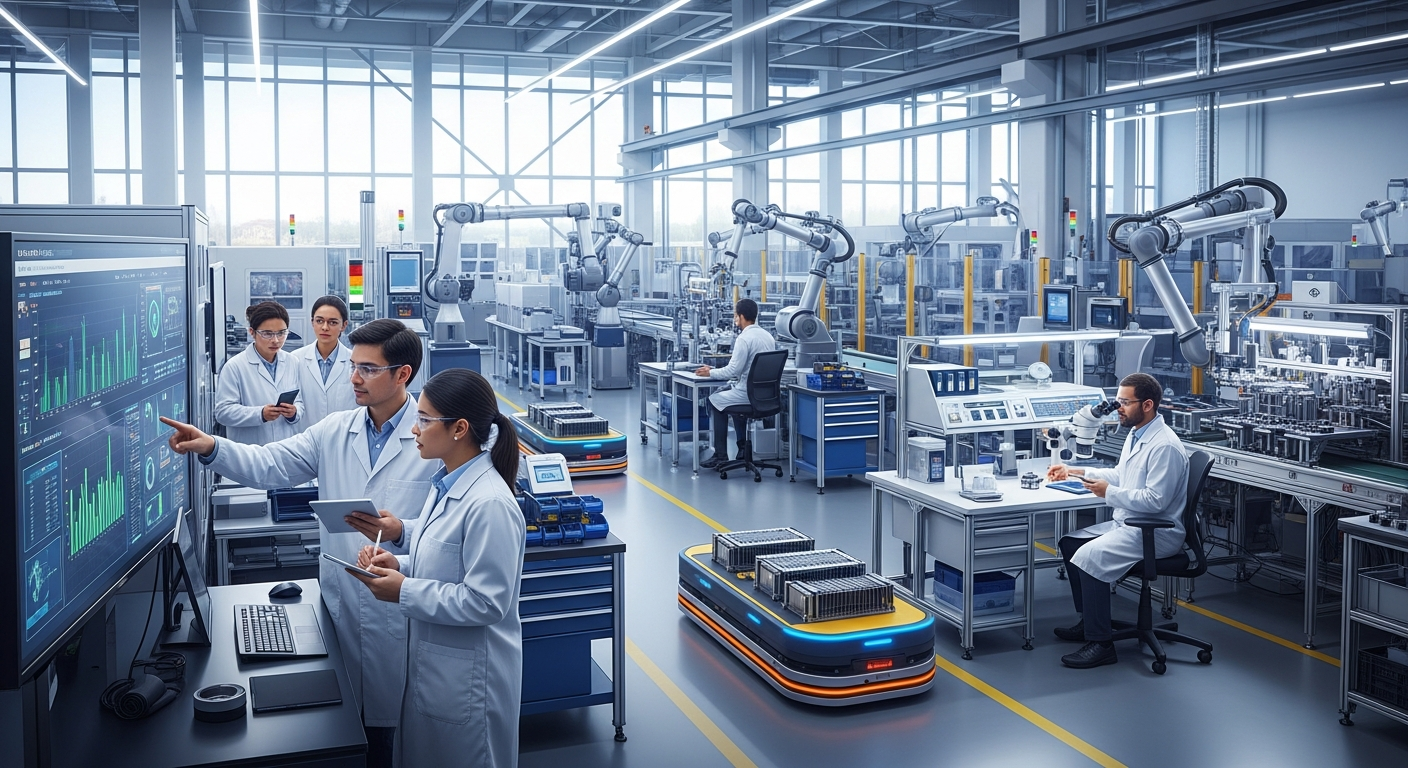
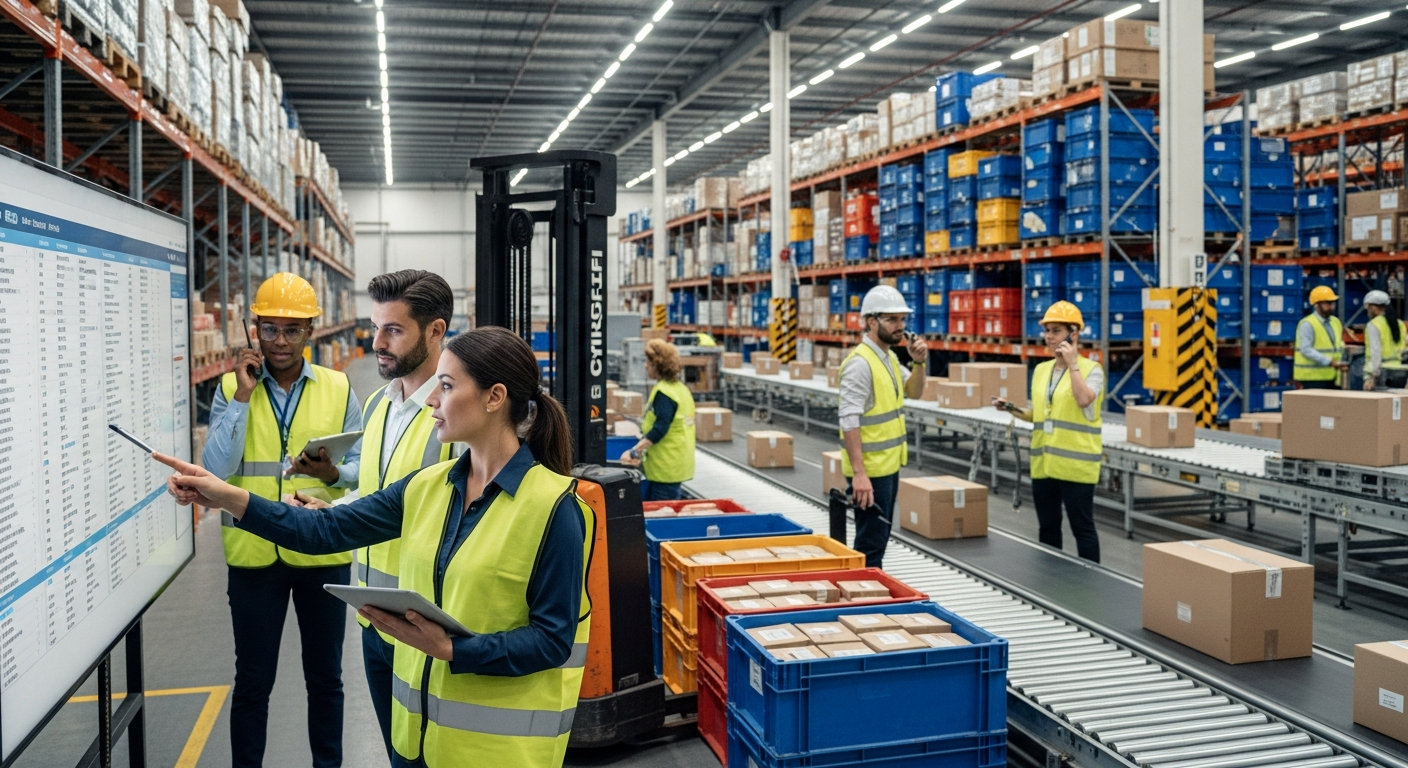
- Manufacturing: Predictive algorithms synchronize supplier orders with customer demand, minimizing excess materials.
- Food & Beverage: AI demand forecasting helps reduce food waste by aligning freshness cycles with purchasing patterns.
The Future: Predictive Supply Chains
AI-powered demand forecasting is paving the way for autonomous supply chains, systems that anticipate, plan, and act with minimal human intervention.
Expect to see AI + IoT integration for real-time production adjustment, predictive sourcing that prevents bottlenecks before they occur, and dynamic pricing models driven by live demand signals.
When paired with automation, these innovations could eliminate millions of tons of waste globally.
Final Thought
AI isn't just optimizing demand, it's redefining responsibility.
By combining intelligence, data, and sustainability, AI-powered forecasting helps businesses grow smarter and greener.
Because in the future of supply chains, the best forecast isn't just accurate. It's ethical.