The Future of Manufacturing Is Being Printed
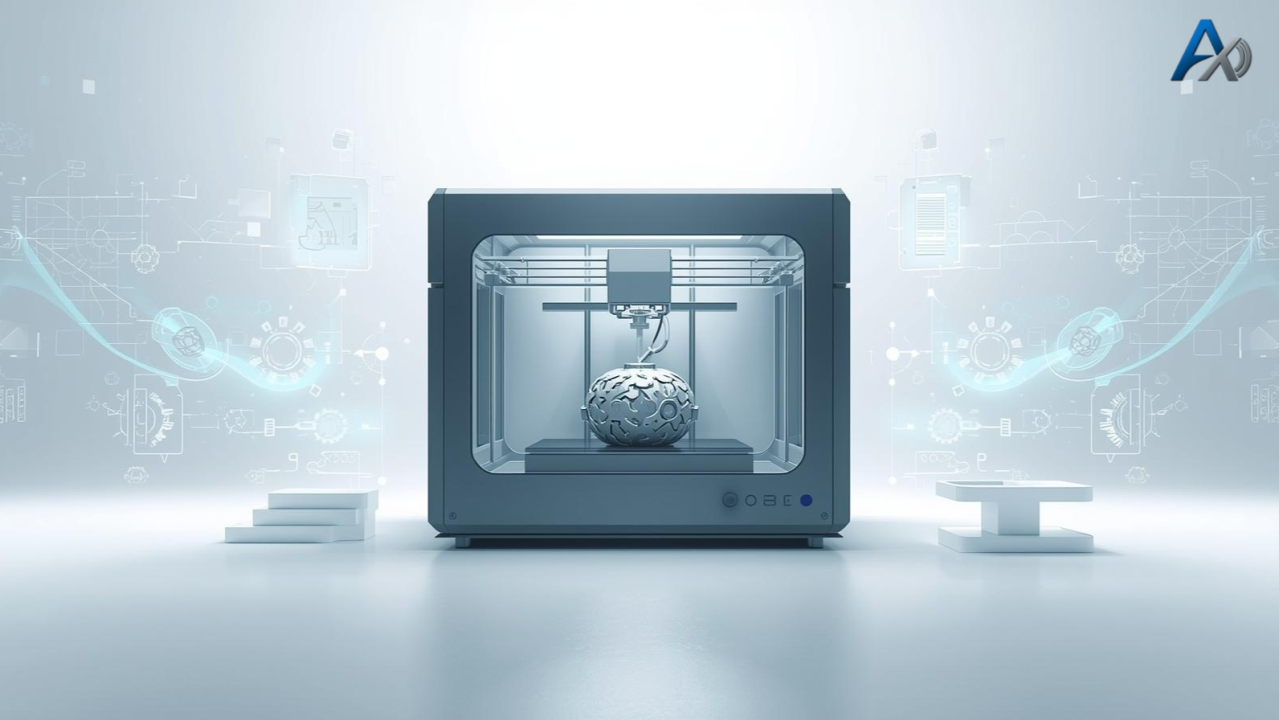
Once seen as a niche technology for prototyping, 3D printing (Additive Manufacturing) has become one of the most disruptive forces in modern manufacturing.
From aerospace to healthcare, automotive to consumer goods, organizations are using 3D printing to accelerate innovation, reduce waste, and reimagine production itself.
The shift isn't just technological. It's strategic.
From Traditional to Transformational
For decades, manufacturing relied on subtractive processes, machining, molding, and assembling parts. Each stage required time, tooling, and often global supply chains.
3D printing flips that model on its head. Instead of removing material, it builds layer by layer, creating parts that are lighter, stronger, and more complex, in a fraction of the time.
This shift is enabling three key transformations:
- Speed: From concept to production in days, not months
- Customization: Products tailored precisely to customer needs
- Sustainability: Material efficiency and reduced waste through additive processes
The Role of Digital and AI in 3D Printing
Today's 3D printing revolution is fueled by data and intelligence:
This convergence of AI and 3D printing is turning manufacturing into a smart, adaptive ecosystem, one where innovation is continuous, not cyclical.
- AI-driven design optimization (generative design) helps engineers create parts that are lighter yet stronger
- Predictive analytics ensures quality control during printing
- Digital twins simulate performance before production begins
- Automation and robotics streamline post-processing and inspection
Real-World Impact
Industry leaders are already realizing measurable results:
Each innovation pushes manufacturing toward a more agile, sustainable, and intelligent future.
- Aerospace: Airbus and GE are printing aircraft parts that reduce weight and improve fuel efficiency
- Healthcare: Custom implants, prosthetics, and even bioprinted tissues are improving patient outcomes
- Automotive: Companies like Ford and BMW are using additive manufacturing to accelerate prototyping and shorten design cycles
- Energy & Industrial: On-demand spare parts reduce downtime and inventory costs
Sustainability by Design
3D printing isn't just efficient, it's responsible. By optimizing materials and localizing production, manufacturers can minimize supply chain emissions, sharply reduce material waste, and enable circular production with recyclable polymers and metals.
It's not just making products better. It's making the planet better.
The Road Ahead
As 3D printing scales, expect to see:
In this new era, innovation isn't limited by machines, it's accelerated by imagination.
- Distributed manufacturing networks, parts printed locally, globally coordinated
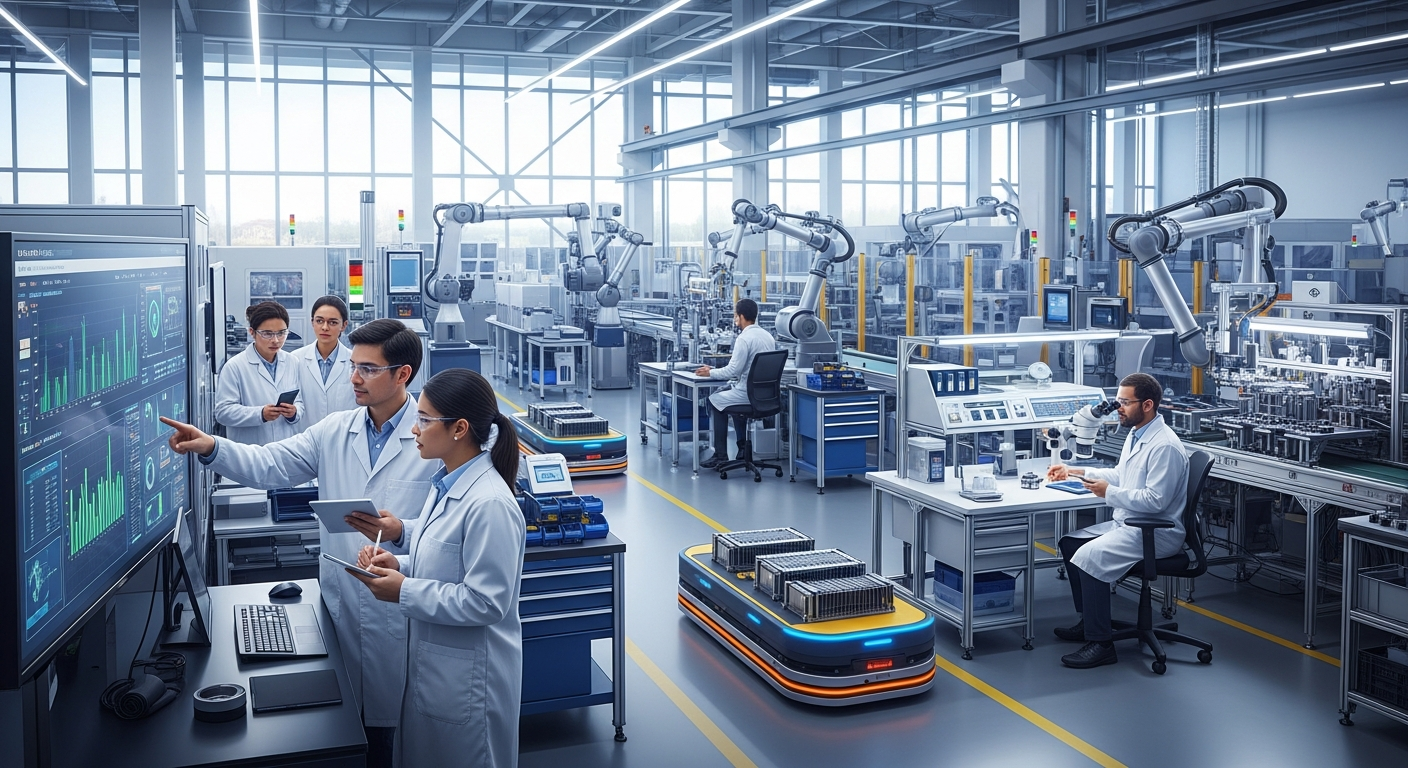
- Smart factories, integrating 3D printers with IoT, robotics, and AI
- Mass customization, one-to-one manufacturing for products, parts, and people
- New business models, from "as-a-service" production to on-demand digital warehouses
Final Thought
3D printing is more than a tool, it's a catalyst. A catalyst for faster innovation, smarter sustainability, and deeper customer connection.
The manufacturers who embrace this shift won't just build better products. They'll build the future.