Data sits in databases everywhere. The question is: what can you do with it?
Predictive analytics transforms historical data into forward-looking intelligence. Organizations use predictive models to:
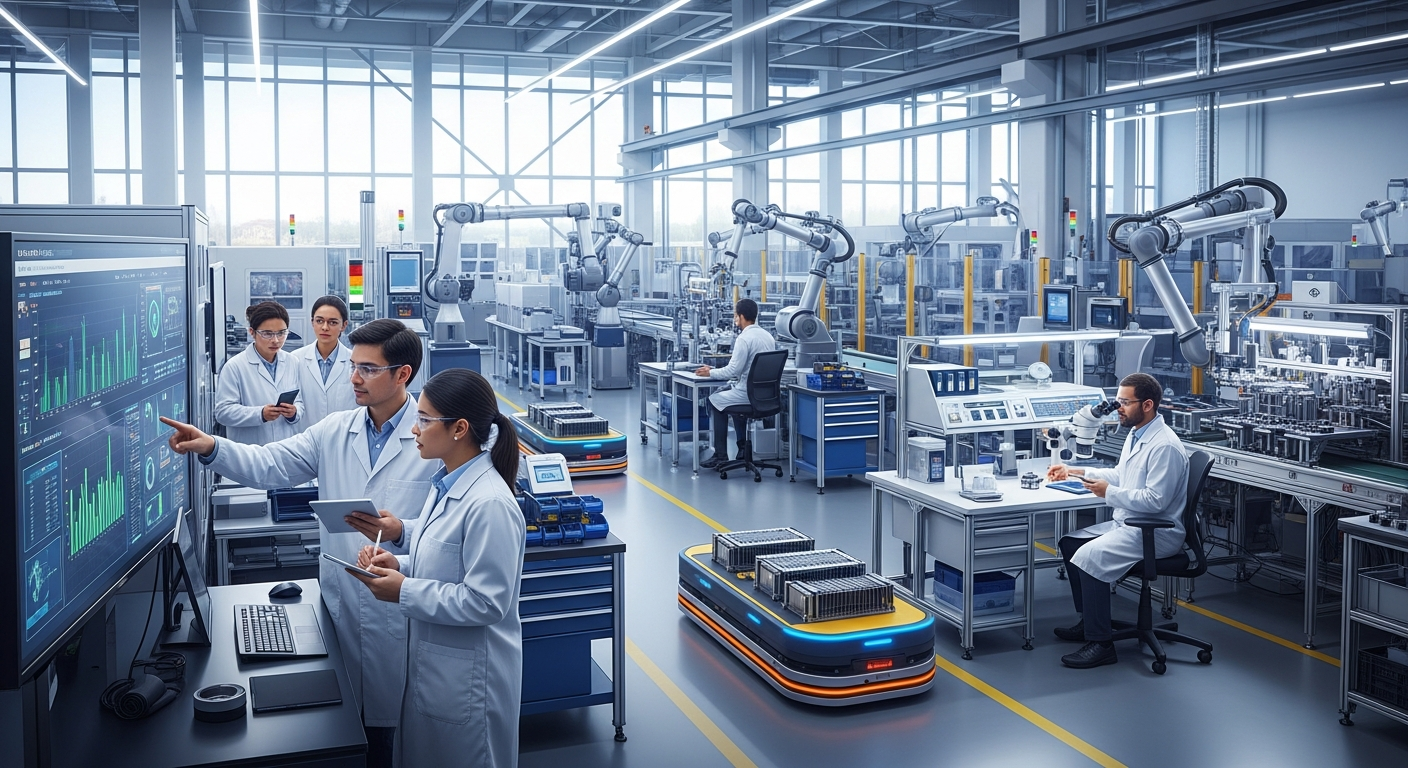
In Manufacturing:
- Predict equipment failures well before they happen
- Optimize production scheduling
- Reduce scrap and waste
- Prevent costly downtime
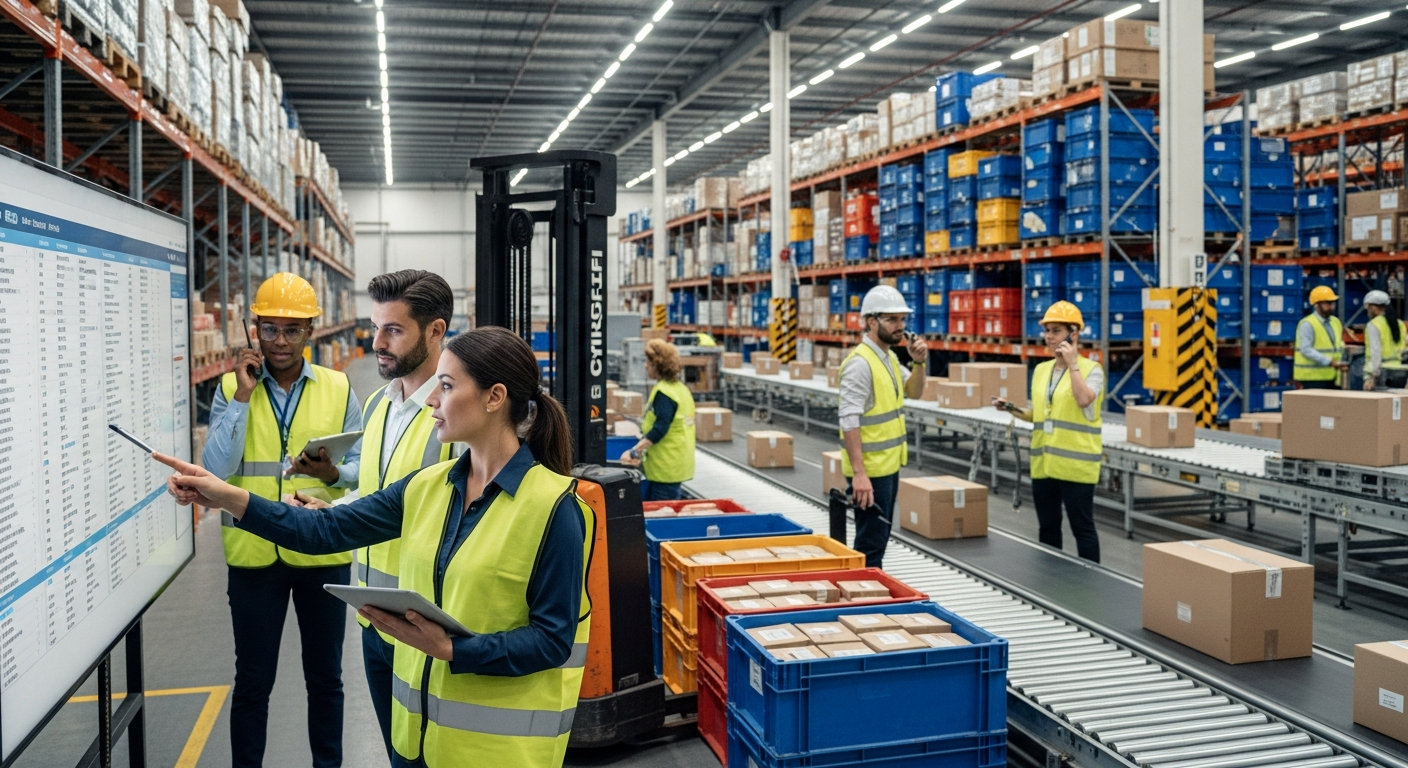
In Logistics:
- Forecast demand more accurately
- Optimize route planning and fleet utilization
- Shorten delivery times
- Cut fuel costs
From Reactive to Predictive:
The difference between reactive and predictive is the difference between fighting fires and preventing them.
Consider a predictive maintenance model that flags a critical pump as likely to fail within weeks, before it becomes an emergency shutdown. The pump is replaced during scheduled maintenance instead. One early warning like that can justify the investment.
The Competitive Advantage:
Predictive analytics isn't future thinking, it's present intelligence that shapes tomorrow's outcomes. Organizations using advanced analytics are better positioned to outperform competitors on cost, uptime, and service.
The companies that win are those that can see around corners. Predictive analytics gives you that vision.