As virtual consultations, remote patient monitoring, and digital therapeutics expand, healthcare providers face a critical question: how do we keep patients engaged, supported, and loyal in a remote-first world? Unlike traditional in-person care, digital care delivery depends heavily on ease of access, personalization, trust, and continuous value. Retention isn't automatic, it must be earned.
1. Frictionless Access & Ease of Use
Patients remain loyal when platforms feel intuitive, responsive, and effortless, fast appointment booking, seamless onboarding, easy device setup, low-latency video consultations, and clear follow-up instructions.
AI and automation improve this through smart routing bots that reduce wait times, automated onboarding guides, AI-based contextual help that resolves issues without support calls, and predictive bandwidth optimization that enhances video session quality.
2. Personalized Care & Continuous Engagement
Retention grows when patients feel seen, understood, and supported. Machine learning models analyze symptoms, vitals, and lifestyle data to deliver personalized reminders for medication, exercise, and hydration, tailored care pathways driven by patient behaviour patterns and automated wellness check-ins between appointments. Patients stay engaged when care feels personal, even remotely.
3. Real-Time Monitoring & Proactive Intervention
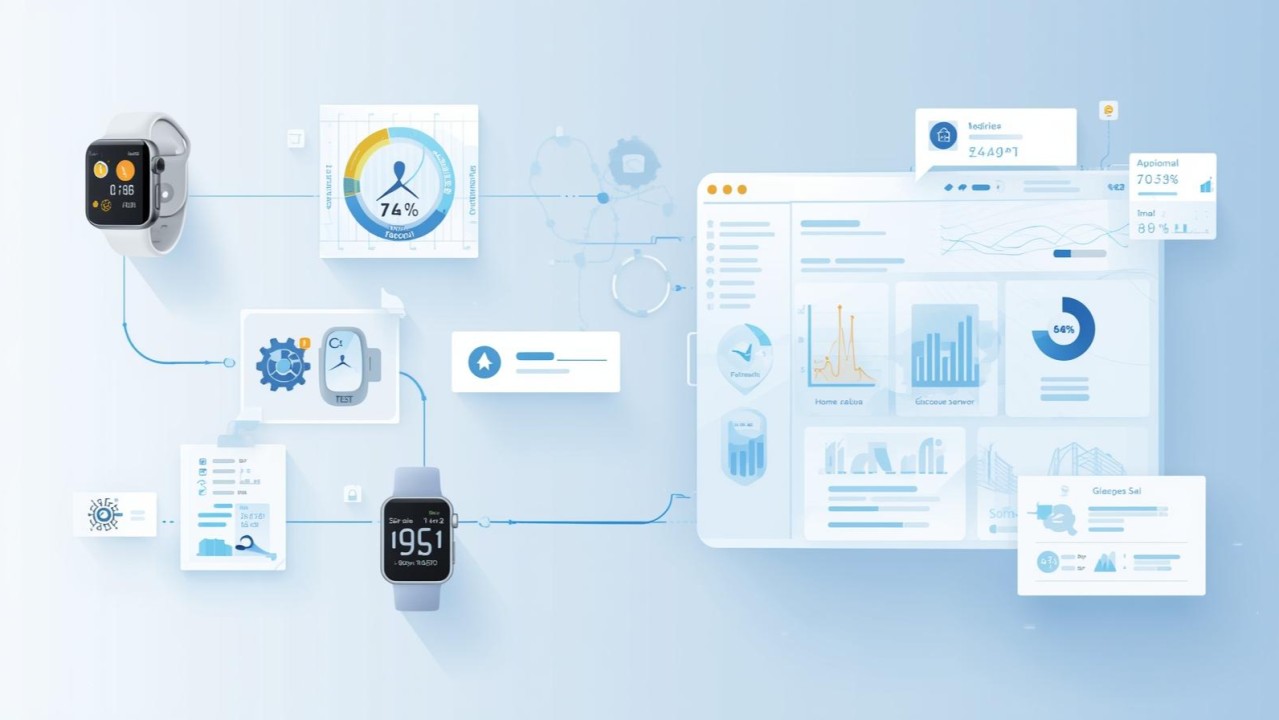
Remote health data is only meaningful when it drives proactive action. AI detects anomalies in real time, irregular heart rate, glucose spikes, and prioritizes high-risk patients using predictive scoring, triggering automated alerts to clinicians and patients while integrating data across wearables, sensors, EHRs, and telehealth apps. Patients trust remote care when they know clinicians can act quickly.
4. Trust, Safety & Data Transparency
Retention depends on how much patients trust the platform handling their health data. AI and automation improve trust by automating compliance checks (HIPAA, GDPR), detecting cyber threats, enabling AI-powered identity verification, and providing transparent data dashboards patients can understand. When the system feels safe, patients stay.
5. Hybrid Care Support & The AI-Powered Loyalty Engine
Patients prefer providers who give them flexibility, remote when convenient, in-person when needed. AI-enabled smart triage, automatic referral workflows, and unified patient records across virtual and physical visits create a seamless hybrid experience that boosts long-term retention.
When implemented with patient-centric design, AI and automation deliver more consistent experiences, more personalized care, faster interventions, higher satisfaction, and lower drop-off rates. Remote healthcare isn't just a convenient option, it's the future. AI and Automation transform remote care from episodic check-ins into an always-on, adaptive health companion.