In today's hyper-competitive manufacturing landscape, downtime is the silent profit killer. Every unexpected machine failure not only disrupts production but also increases costs, reduces efficiency, and puts delivery timelines at risk. Traditional reactive maintenance is no longer enough, smart factories now demand predictive maintenance powered by AI.
From Reactive to Predictive: The Shift in Manufacturing
Historically, manufacturers relied on scheduled servicing or emergency repairs. But both approaches are costly, one wastes resources maintaining equipment too early, the other suffers from breakdowns that occur too late. Predictive maintenance bridges this gap by forecasting equipment health in real time, ensuring intervention happens exactly when needed.
The Role of AI in Predictive Maintenance
Sensor Data & IoT Integration
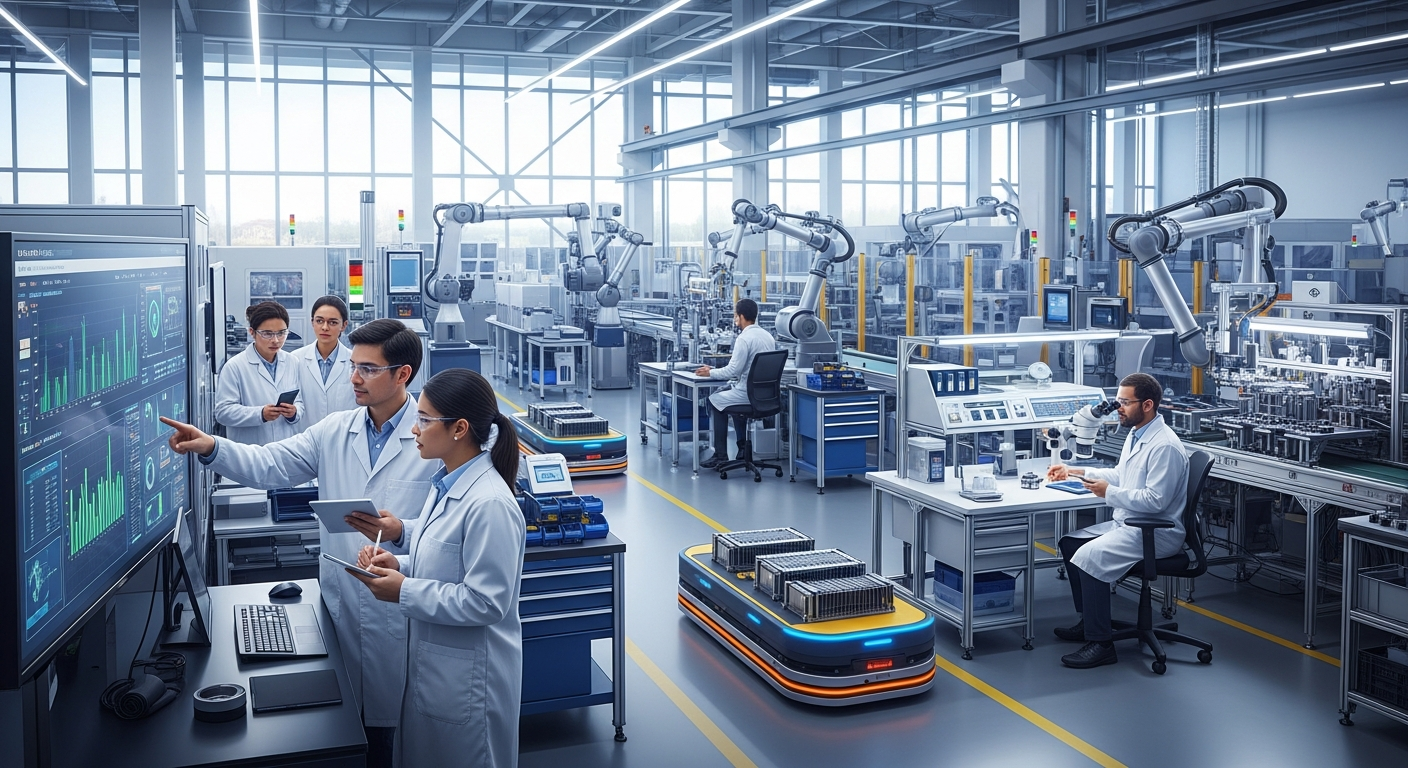
AI systems collect data from IoT sensors embedded in machines, temperature, vibration, energy consumption, and more. Instead of overwhelming engineers with raw data, AI agents analyze it continuously to detect subtle anomalies.
Machine Learning for Pattern Recognition
AI models identify patterns that even experienced technicians might miss. By learning from historical breakdowns, AI can forecast potential failures well before they occur.
Autonomous AI Agents for Maintenance Scheduling
AI agents don't just predict a problem, they act on it. Agents can trigger automated workflows, schedule maintenance crews, order spare parts, and even reprioritize production timelines, ensuring the right resources are available at the right time.
Cost Optimization & ROI
With predictive maintenance, manufacturers reduce unplanned downtime, extend equipment life, and minimize spare parts inventory. The result is lower maintenance spend and less unplanned downtime.
Smart Factories of the Future
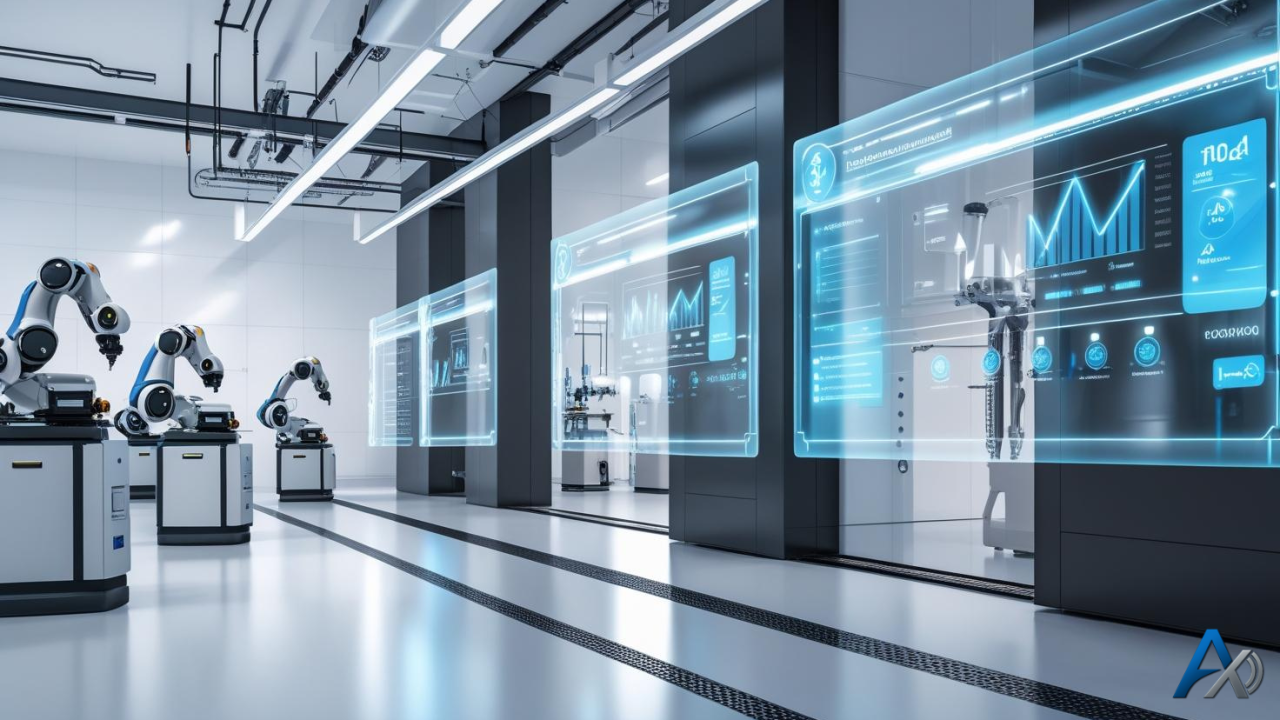
As AI automation continues to evolve, we're moving toward self-healing factories where AI agents can independently monitor, diagnose, and resolve issues with minimal human intervention. Imagine a production line that not only detects a fault but also reroutes operations, alerts suppliers, and ensures zero impact on delivery deadlines, all powered by AI.
Final Thoughts
Predictive maintenance is no longer just a competitive advantage, it's becoming a necessity for the future of manufacturing. By embracing AI automation and AI agents, smart factories can achieve higher productivity, lower costs, and a truly resilient supply chain.
At Aelix Echo, we're helping manufacturers harness AI to build intelligent, future-ready operations. The question isn't if your factory will adopt predictive maintenance, it's how soon.