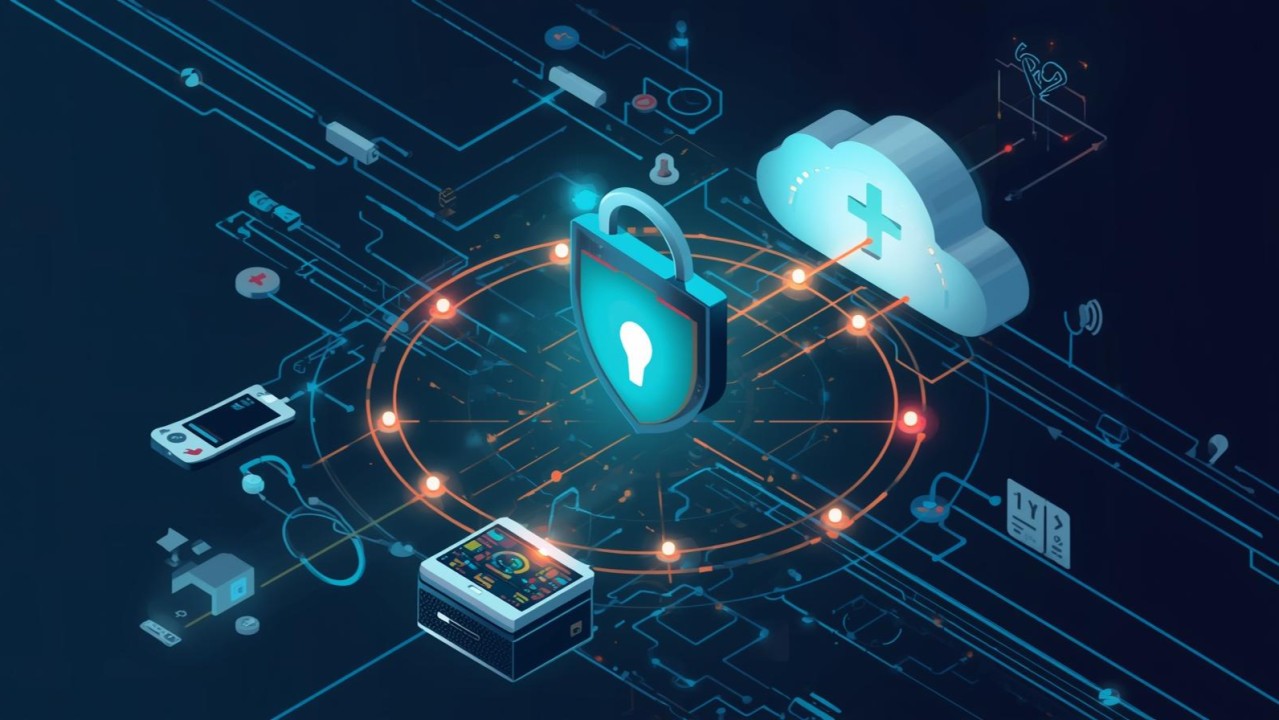
Healthcare has become one of the most targeted industries for cyberattacks. The stakes are uniquely high: patient safety, privacy, and trust are on the line. With sensitive data increasingly stored in cloud environments, accessed through mobile devices, and exchanged across connected care systems, attackers see healthcare as both vulnerable and valuable. To build resilient systems, leaders must stay ahead of emerging threats, not just respond when breaches occur.
1. Ransomware Attacks on Critical Infrastructure
Hospitals and health systems are prime targets for ransomware because downtime can put lives at risk. Attackers know that urgent care environments can't afford prolonged disruptions, making them more likely to pay ransoms.
Impact: Disrupted operations, delayed care delivery, and potential patient harm.
What to Do: Invest in robust backup and recovery systems, segment critical infrastructure, and implement zero-trust security models.
2. Cloud Security Misconfigurations
As healthcare moves rapidly to the cloud, misconfigured storage buckets, databases, or access policies are exposing massive volumes of patient data. Most breaches stem not from the cloud itself, but from human error in configuring it.
Impact: HIPAA violations, reputational damage, and regulatory fines.
What to Do: Deploy continuous configuration monitoring, automate compliance checks, and integrate AI-driven policy enforcement.
3. Insider Threats (Accidental & Malicious)
Employees remain both a frontline defence and a major vulnerability. From a clinician accidentally emailing PHI to the wrong recipient to a disgruntled insider exfiltrating data, healthcare's high employee turnover amplifies the risk.
Impact: Data leaks, operational inefficiencies, legal exposure.
What to Do: Enforce strict access controls, monitor user behaviour with AI, and foster a culture of cybersecurity awareness.
4. AI-Powered Cyberattacks
Just as healthcare organizations are embracing AI, attackers are too. Generative AI is being weaponized to create highly convincing phishing campaigns, deepfake scams targeting providers, and automated tools that probe for vulnerabilities at scale.
Impact: Higher success rate for phishing and fraud, faster exploitation of weaknesses.
What to Do: Train staff on AI-enabled threats, adopt AI-driven detection systems, and implement continuous threat intelligence updates.
5. IoT and Connected Medical Device Vulnerabilities
From pacemakers to infusion pumps, connected devices are integral to modern care, but many were not designed with cybersecurity in mind. Weak authentication, outdated firmware, and a lack of encryption create a dangerous attack surface.
Impact: Direct patient safety risks, device hijacking, and large-scale system disruptions.
What to Do: Implement strict network segmentation, maintain regular patching, and work closely with device manufacturers on security protocols.
From Reactive to Proactive Security
The healthcare sector can no longer afford to treat cybersecurity as an afterthought. The threats are evolving too quickly, and the consequences are too great. By embracing automation, AI-driven monitoring, and a proactive defence strategy, healthcare leaders can protect not just data, but lives.
Cybersecurity in healthcare is no longer just an IT issue. It's a patient safety issue.