The Reality of Modern Factory Operations
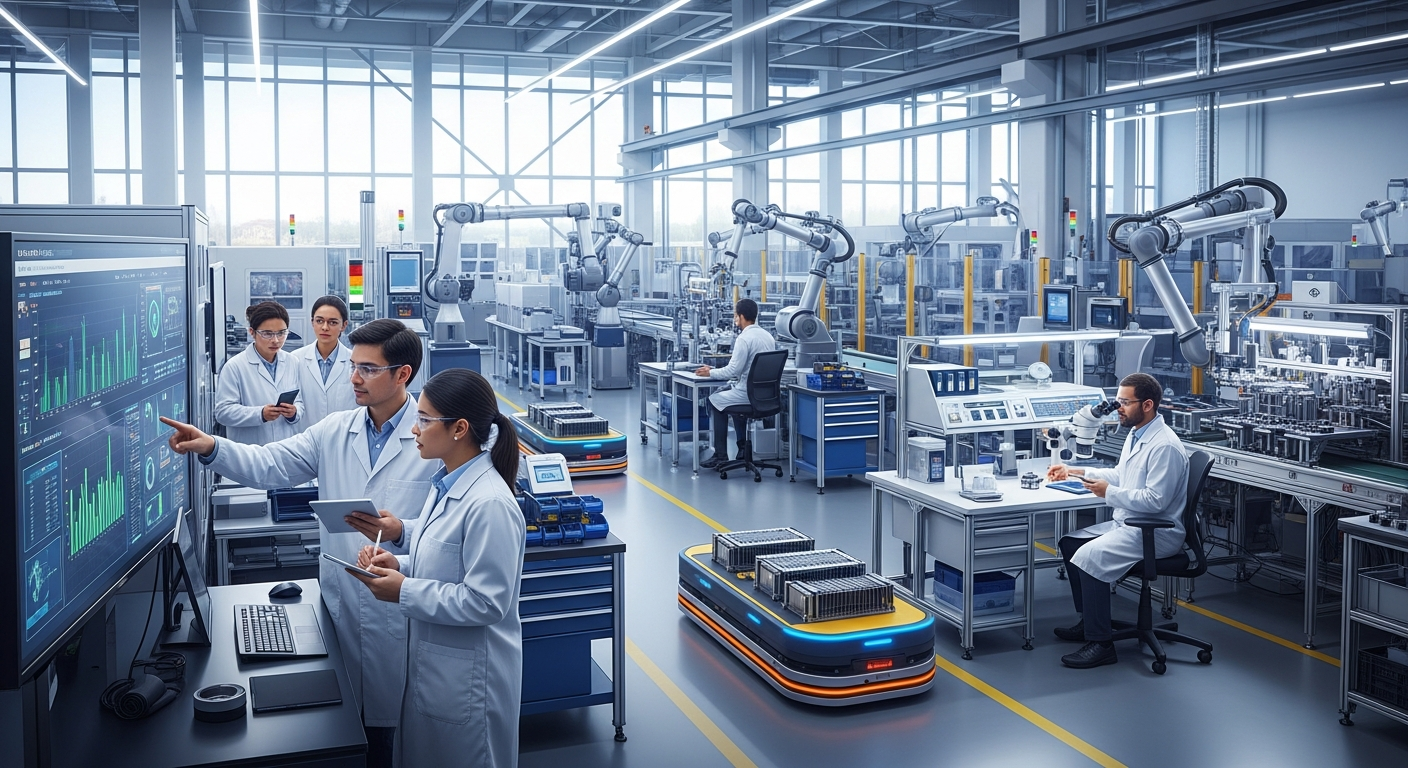
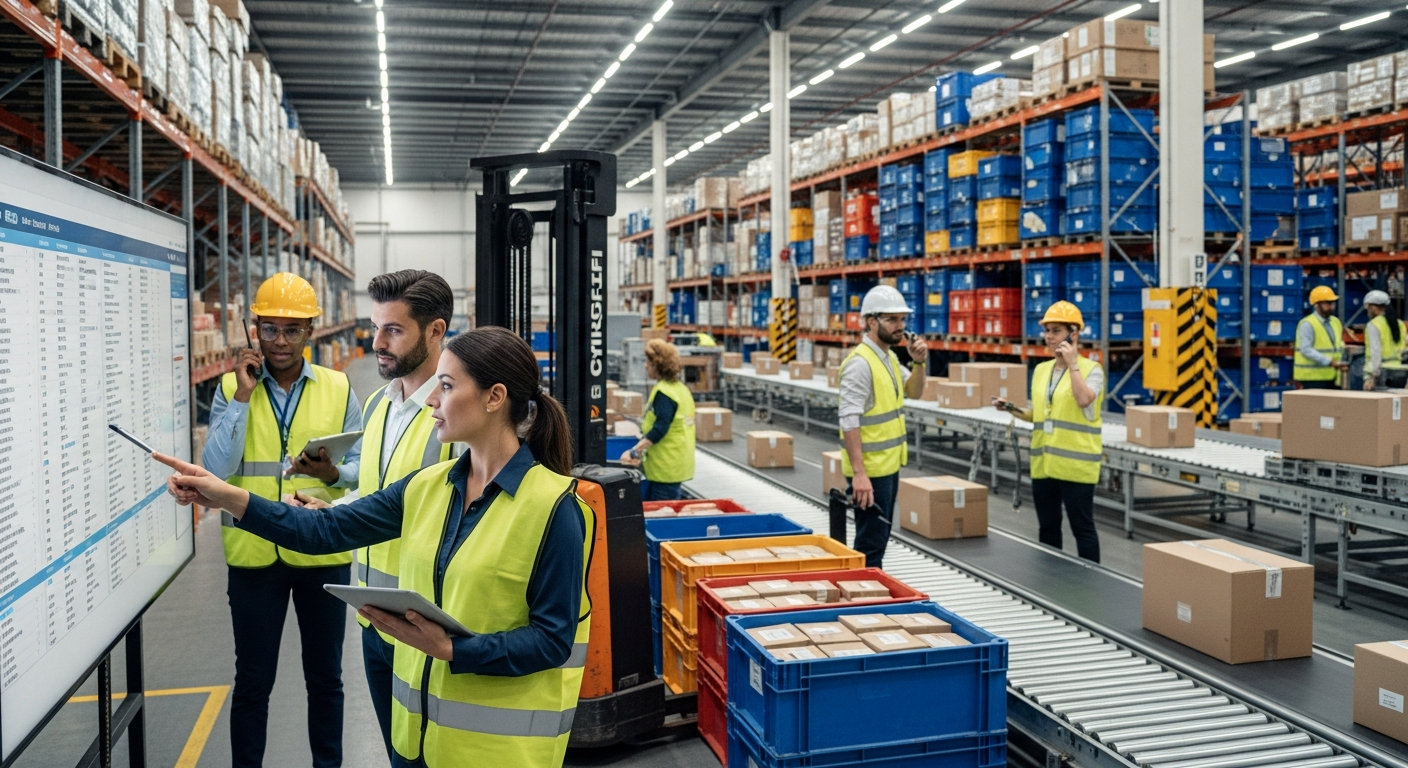
Today's factories are more complex than ever. Multiple production lines, energy-intensive equipment, tight delivery timelines, strict quality standards, and increasing sustainability expectations leave very little room for error.
Yet in many factories, critical information is still:
The result is reactive firefighting instead of proactive control.
This is where a Real-Time Digital Command Center becomes essential.
- Spread across ERP, MES, SCADA, spreadsheets, and emails
- Viewed after delays, not in real time
- Interpreted differently by different teams
- Disconnected from decision-making
What Is a Digital Command Center?
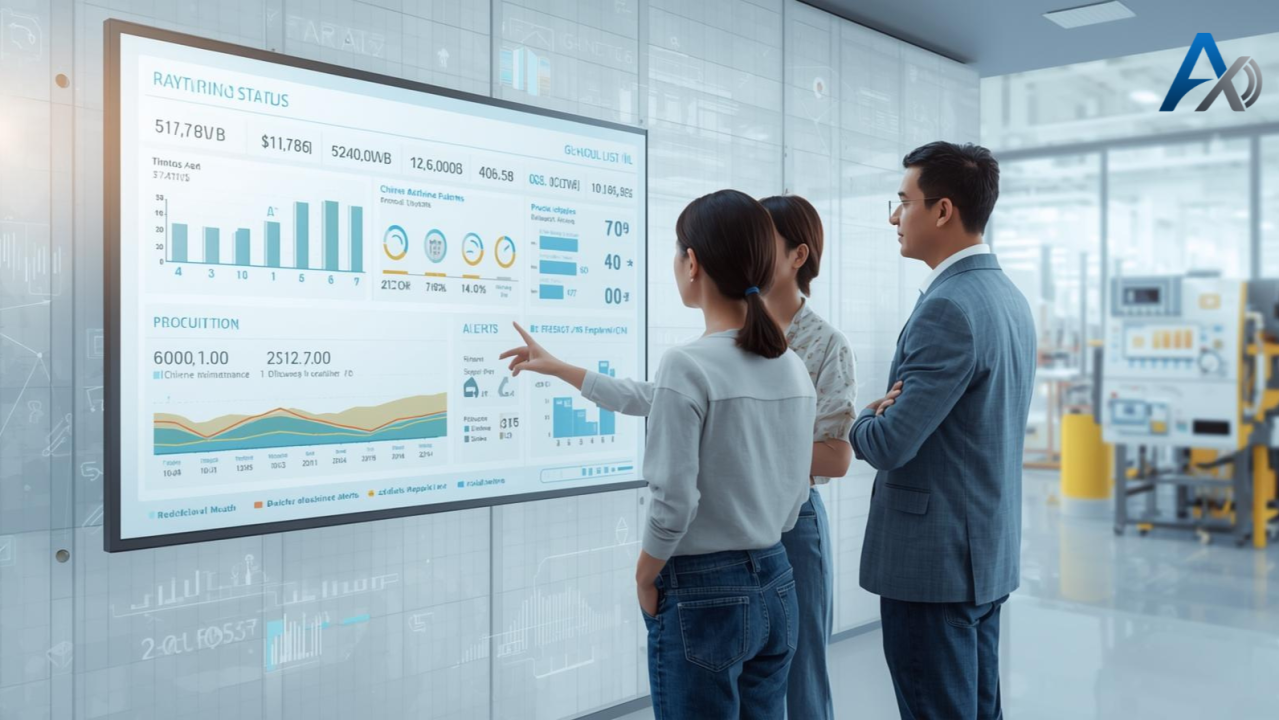
A real-time digital command center is a centralized, live operational hub that brings together production, quality, maintenance, energy, safety, and supply chain data into a single, trusted view.
It provides:
Think of it as the nerve center of your factory.
- Live visibility across the factory
- Unified KPIs and alerts
- Cross-functional alignment
- Faster, data-driven decisions
Why Traditional Dashboards Are Not Enough
Static dashboards show what already happened. Command centers focus on what's happening now, and what's about to happen.
A true digital command center:
This shift enables factories to stay ahead of problems, not chase them.
- Ingests real-time machine and sensor data
- Continuously updates KPIs
- Detects anomalies instantly
- Triggers alerts and actions automatically
Key Capabilities of a Real-Time Factory Command Center
Live Production Visibility
Track output vs plan, line performance, OEE metrics, and bottlenecks and stoppages in real time.
Impact: Immediate intervention before delays escalate.
Predictive Maintenance & Downtime Prevention
By integrating IoT and AI, equipment health is monitored continuously, failures are predicted early, and maintenance is scheduled proactively.
Impact: Reduced downtime and longer asset life.
Quality & Compliance Monitoring
Command centers surface quality deviations in real time, process parameter drift, and traceability and audit evidence.
Impact: Faster containment of quality issues and improved compliance.
Energy & Sustainability Control
Monitor energy consumption by machine or line, peak usage and inefficiencies, and emissions and ESG indicators.
Impact: Lower costs and stronger sustainability performance.
Intelligent Alerts & Decision Support
AI-driven logic prioritizes alerts, suggests corrective actions, and highlights root causes.
Impact: Teams focus on the right problems at the right time.
Aligning People Around a Single View
One of the biggest benefits of a command center is cross-team alignment.
Operators, supervisors, maintenance, quality, and leadership all work from the same real-time data. This eliminates debates over numbers and speeds up collaboration.
The Role of AI & Automation
When AI and automation power the command center:
The command center evolves from a monitoring tool into an intelligent decision engine.
- Patterns are detected early
- Forecasts become more accurate
- Recommendations become smarter
- Manual monitoring is reduced
Business Impact of a Digital Command Center
Factories that implement real-time command centers achieve:
- Faster response times
- Reduced downtime and scrap
- Improved production efficiency
- Better energy management
- Higher confidence in decisions
- Greater operational resilience
Final Thought
Factories no longer have the luxury of delayed insights.
A real-time digital command center transforms manufacturing operations from reactive and fragmented into connected, proactive, and intelligent. It gives teams clarity, control, and confidence, exactly what modern manufacturing demands.
The future factory doesn't just run machines. It runs on real-time intelligence.