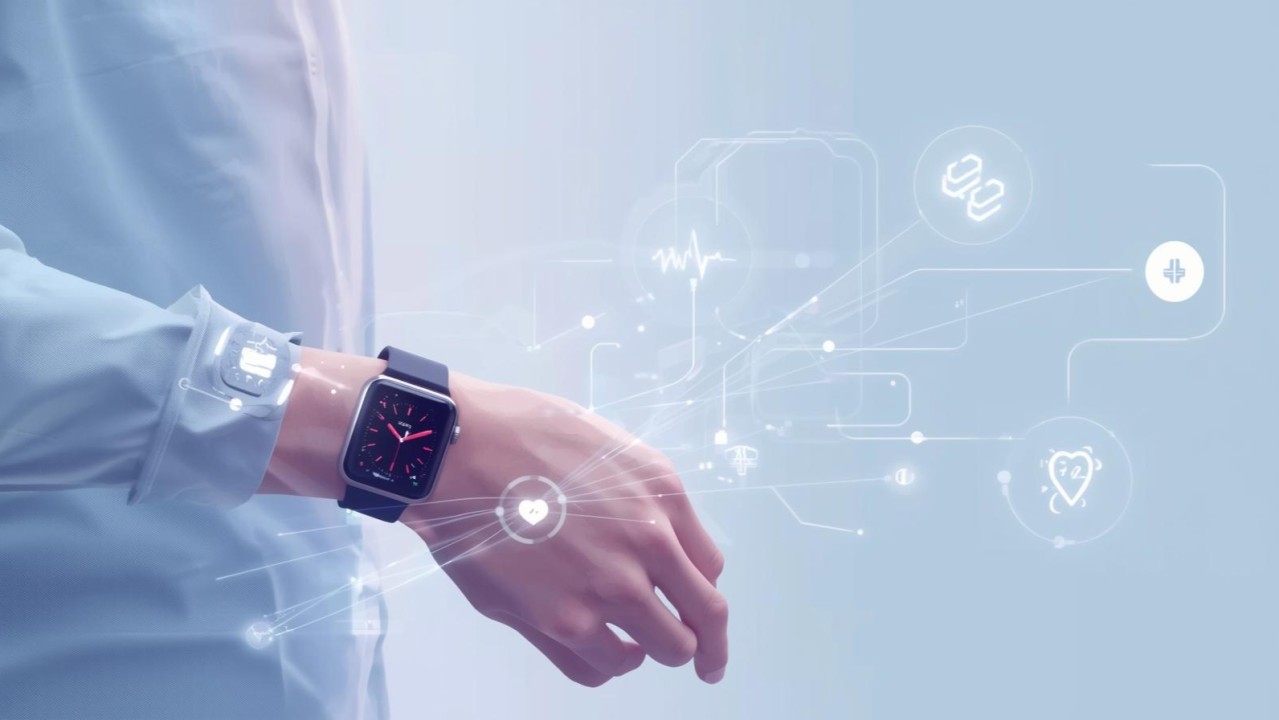
Chronic diseases like diabetes, hypertension, cardiovascular disorders, COPD, and arthritis affect millions globally, and they require ongoing, accurate, and personalized management. Traditional care models depend heavily on periodic check-ups, manual logs, and patient recall, all of which create gaps that can delay early detection or lead to unmanaged symptoms. Today, IoT devices and wearable technologies are closing these gaps and fundamentally transforming how chronic care is delivered.
IoT + Wearables: A Continuous Health Loop
IoT devices and wearables create a real-time feedback loop between patients, caregivers, and clinicians. Smart sensors collect continuous physiological data, transmit it securely, and enable faster, more accurate interventions.
- Continuous monitoring instead of occasional check-ins
- Personalized care plans built on real data, not assumptions
- Faster detection of anomalies or early warning signs
- Reduced hospital readmission rates
- Improved patient engagement and adherence
Key Innovations Reshaping Chronic Care
Remote Patient Monitoring (RPM): Wearables like smartwatches, glucose monitors, heart rhythm patches, and smart inhalers track vital metrics 24/7. Healthcare teams receive alerts instantly when a patient's data crosses a danger threshold, enabling early detection, fewer emergencies, and timely medication adjustments.
AI-Enhanced Predictive Insights: IoT data feeds machine learning models that forecast complications before they occur, predicting asthma attacks based on inhaler usage and environmental data, forecasting heart-failure risk through continuous ECG/HRV trends, and identifying medication non-adherence using behavioural patterns.
Personalized Care Pathways: Clinicians customize treatment plans based on patient-specific behaviour, movement patterns, sleep cycles, diet logs, and stress indicators, improving adherence and health outcomes.
Medication Management & Adherence: Smart pill dispensers, RFID-enabled medication trays, and reminder wearables reduce missed doses and track adherence patterns.
Patient Empowerment Through Data Visibility: Modern devices give patients dashboards and nudges to understand and manage their conditions, from blood glucose trends and BP fluctuation insights to step goals for cardiac rehab.
Security & Privacy: An Essential Priority
More connectivity means more responsibility. Healthcare providers must protect sensitive patient data against cyber threats through end-to-end encryption, zero-trust security models, secure APIs for data exchange, and device-level authentication and firmware updates. IoT in healthcare must always combine innovation with trust.
What's Next?
The future of chronic care is hyper-connected and intelligent. Expect digital twins for patients enabling virtual simulations, edge AI for real-time decision-making on devices, smart home health ecosystems integrating wearables and remote diagnostics, and continual health coaching powered by AI agents.
As chronic care shifts from episodic intervention to continuous collaboration, IoT and wearables are becoming indispensable. They empower patients, enhance clinical accuracy, and reshape healthcare from reactive to predictive. The question is no longer if IoT will transform chronic care, but how fast your organization is ready to adopt it.