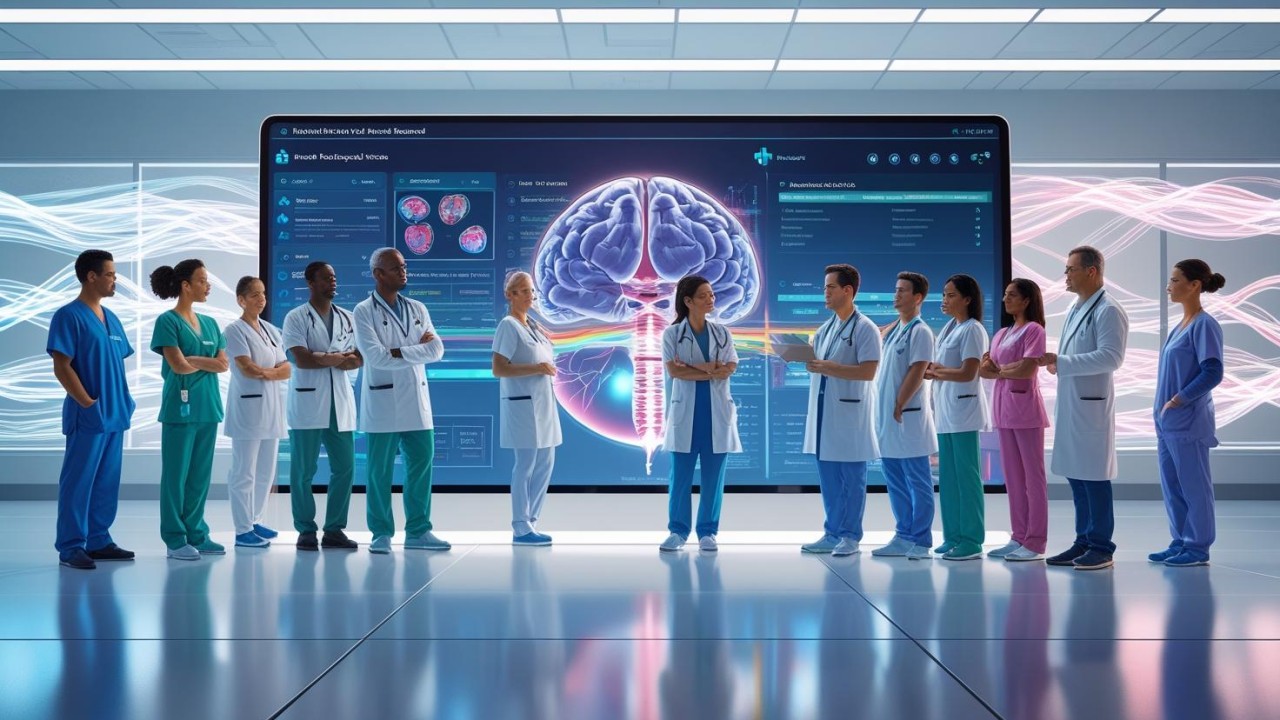
Healthcare has made massive strides in digitization, yet one issue continues to frustrate clinicians, patients, and administrators alike: EHR interoperability. Different hospitals, labs, imaging centers, and clinics all use systems that rarely "talk" to each other. The result? Fragmented patient data, inefficient workflows, and costly errors.
The EHR Integration Challenge
- Data Silos → Patient histories split across multiple systems.
- Inconsistent Standards → HL7, FHIR, and proprietary formats create mismatches.
- Workflow Disruptions → Clinicians waste time hunting for information.
- Patient Frustration → Repeated tests and missing records erode trust.
- Compliance & Security Risks → Sharing across systems often exposes gaps.
Why Interoperability Matters in 2025
- Clinician Productivity → Faster access to full patient context.
- Patient Outcomes → Timely and informed care decisions.
- Operational Efficiency → Less duplication, fewer delays.
- Value-Based Care → Interoperability is critical for population health and accountable care models.
The AI Automation & AI Agent Advantage
Instead of waiting years for every system to adopt the same standard, AI agents can bridge the gaps today:
Data Harmonization Agents: Translate and normalize HL7, FHIR, and legacy formats into unified patient records.
Intelligent Interoperability Layers: Automate data exchange between EHRs, labs, and imaging systems without disrupting existing workflows.
Predictive Insights: Go beyond integration, AI agents can generate risk scores, readmission predictions, and personalized care pathways once the data is unified.
Patient-Centric Interfaces: Virtual care concierges give patients direct access to their complete records, improving trust and engagement.
Roadmap to Interoperability with AI
Map Your Systems → Identify core EHRs, labs, and external data sources.
Deploy AI Bridges → Use AI automation to unify formats, reduce manual reconciliation.
Pilot Use Cases → Start with high-impact areas like lab results + EHR sync.
Scale with Governance → Ensure compliance, auditability, and security from day one.
Interoperability doesn't have to be a puzzle hospitals spend decades solving. With AI automation and AI agents, healthcare organizations can unify patient data, empower clinicians, and deliver connected care, today, not years from now.