Manufacturing is no longer just about machines, materials, and manpower, it's about data. As factories become smarter, manufacturers need real-time insights into assets, processes, and systems to stay competitive.
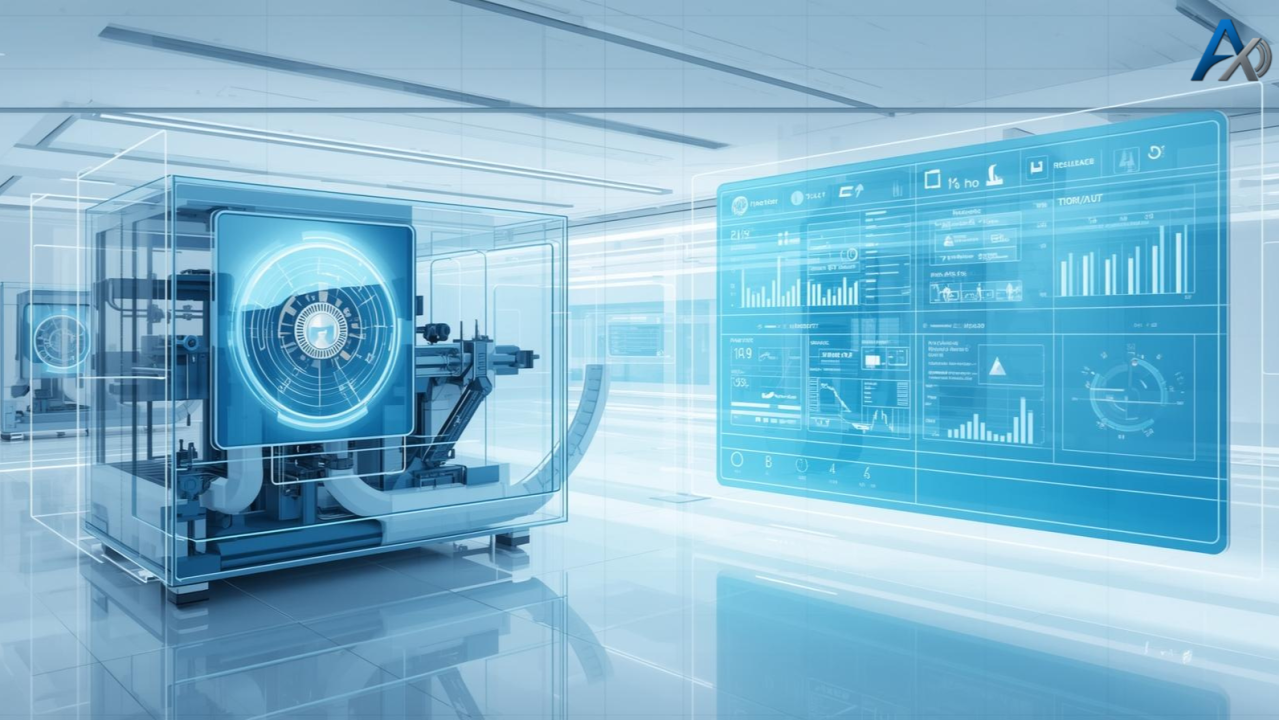
Enter the Digital Twin: a virtual replica of a physical asset, process, or system that continuously updates through real-time data. By bridging the physical and digital worlds, digital twins are enabling manufacturers to optimize operations, reduce downtime, and innovate faster.
Industry Challenges Driving the Need for Digital Twins
1. High Downtime and Maintenance Costs
Unexpected machine failures disrupt production, increase costs, and reduce throughput. Traditional preventive maintenance often relies on fixed schedules rather than real-time asset health.
2. Limited Visibility Across the Factory Floor
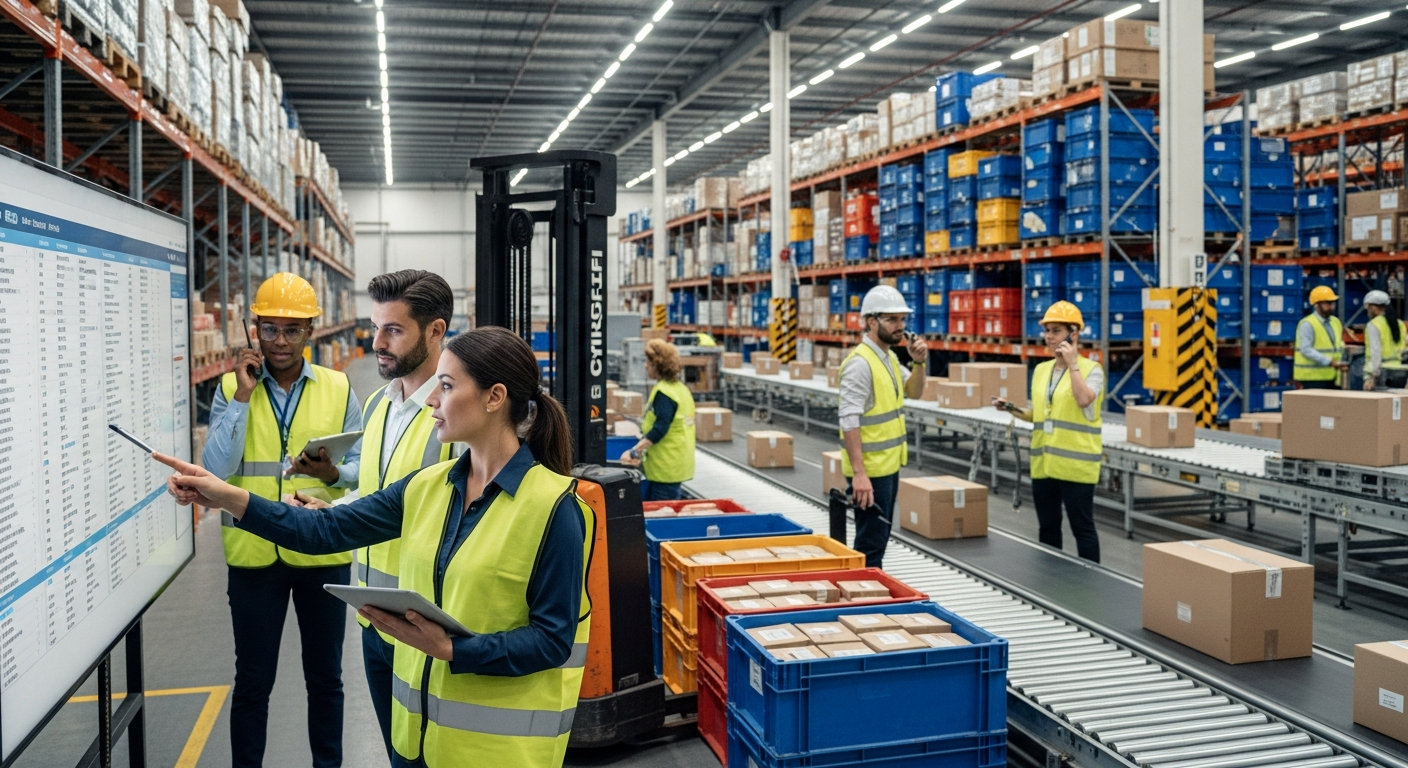
Manufacturers often struggle to track performance across distributed assets, production lines, or facilities, leading to inefficiencies and hidden bottlenecks.
3. Complex Product Development Cycles
Building and testing physical prototypes is time-consuming and expensive. Without virtual simulations, errors are discovered late in the process.
4. Energy Inefficiencies and Rising Costs
Factories consume significant energy, but inefficiencies in processes remain hidden without real-time monitoring and optimization.
5. Data Silos and Fragmented Systems
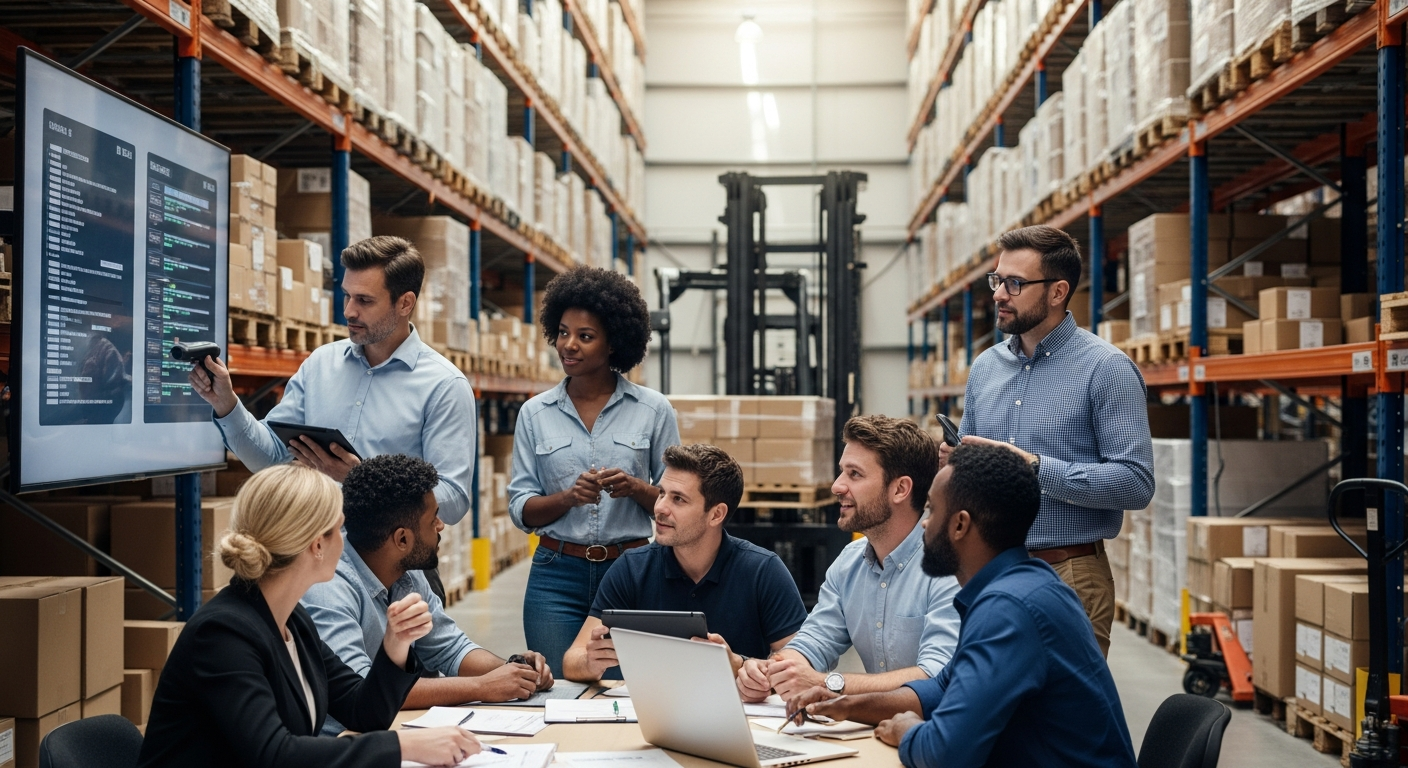
Operational data often sits in disconnected systems (ERP, MES, IoT sensors), making it difficult to gain a holistic, actionable view of operations.
How Digital Twins Solve These Challenges
1. Predictive Maintenance and Reduced Downtime
Digital twins integrate IoT data from machines to predict potential failures. By simulating performance in real time, they allow maintenance teams to act proactively, reducing costly unplanned downtime.
2. End-to-End Visibility and Optimization
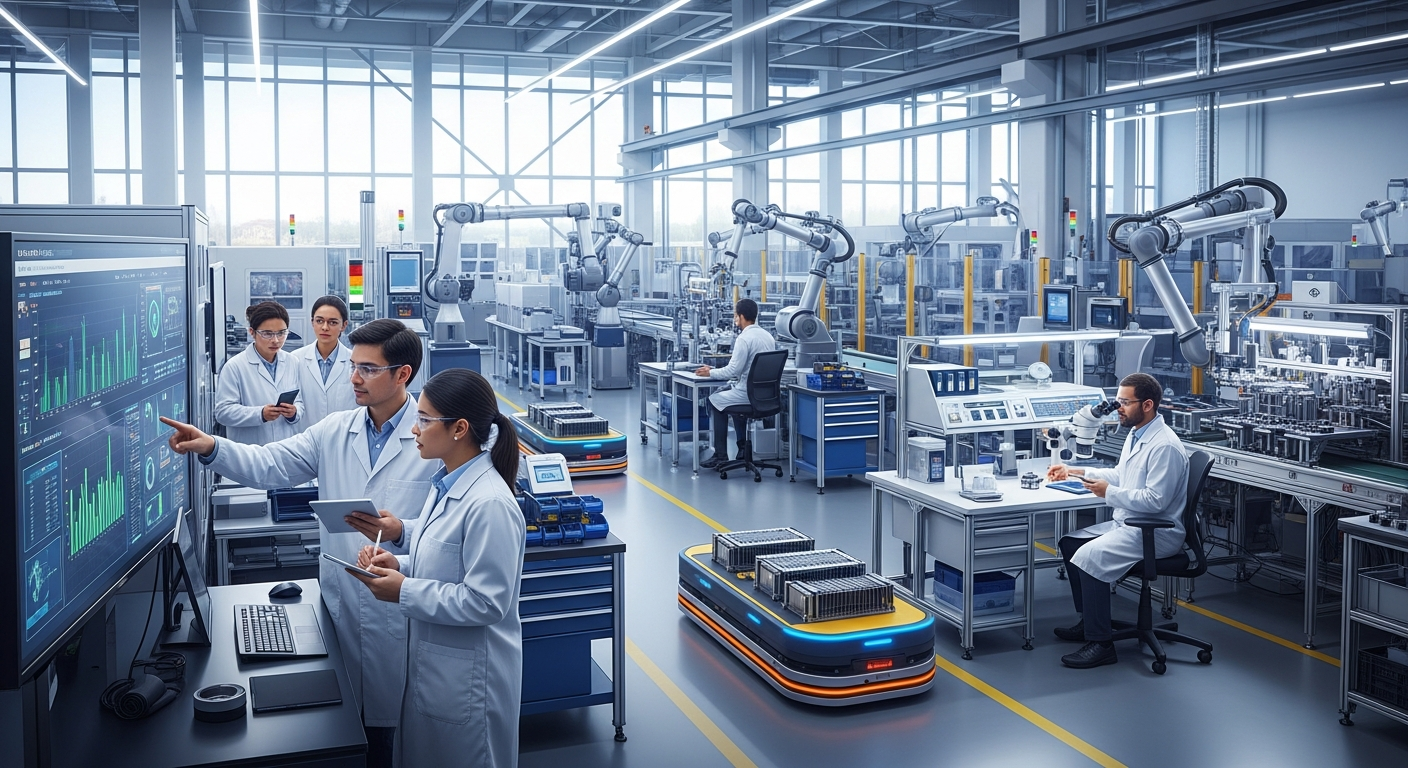
With digital twins, manufacturers can visualize their entire factory floor in a single digital dashboard, monitoring machine performance, throughput, and resource utilization in real time.
3. Faster Product Design and Innovation
Engineers can create digital prototypes and run simulations before physical production begins, reducing design flaws, accelerating product development, and lowering prototyping costs.
4. Sustainable Manufacturing and Energy Efficiency
Digital twins model energy consumption patterns across machines and processes. AI-driven optimization then identifies ways to reduce waste, lower emissions, and achieve sustainability goals.
5. Unified Data and Intelligent Decision-Making
By connecting data across ERP, MES, IoT, and PLM systems, digital twins break down silos. Combined with AI, this leads to smarter, faster decision-making across the value chain.
Strategic Benefits for Manufacturers
- Operational Efficiency: Real-time insights help optimize machine performance and reduce costs
- Innovation at Speed: Digital prototypes enable faster product launches with fewer errors
- Resilience: Simulations help anticipate disruptions and test alternative production scenarios
- Sustainability: Data-driven optimization supports greener manufacturing practices
- Customer-Centricity: Digital twins extend beyond the factory, enabling better product performance monitoring and after-sales services
Future Outlook: The Autonomous Factory
As digital twins evolve, they'll integrate with AI agents, RPA, and advanced analytics to create self-optimizing, autonomous factories. Imagine a production line that not only predicts machine failure but also automatically reroutes tasks, orders spare parts, and updates production schedules, all without human intervention.
The digital twin is no longer just a visualization tool; it is the foundation of the smart, resilient, and sustainable factory of the future.
Digital twins are more than a buzzword, they're a bridge between the physical and digital worlds that manufacturers can no longer ignore. By adopting digital twin technology, manufacturers gain agility, resilience, and the ability to innovate at scale.
At Aelix Echo, we see digital twins as a cornerstone of the Industry 4.0 journey, one that transforms manufacturing into a smarter, data-driven, and future-ready enterprise.