Why Traditional Manufacturers Need a Clear Digital Roadmap
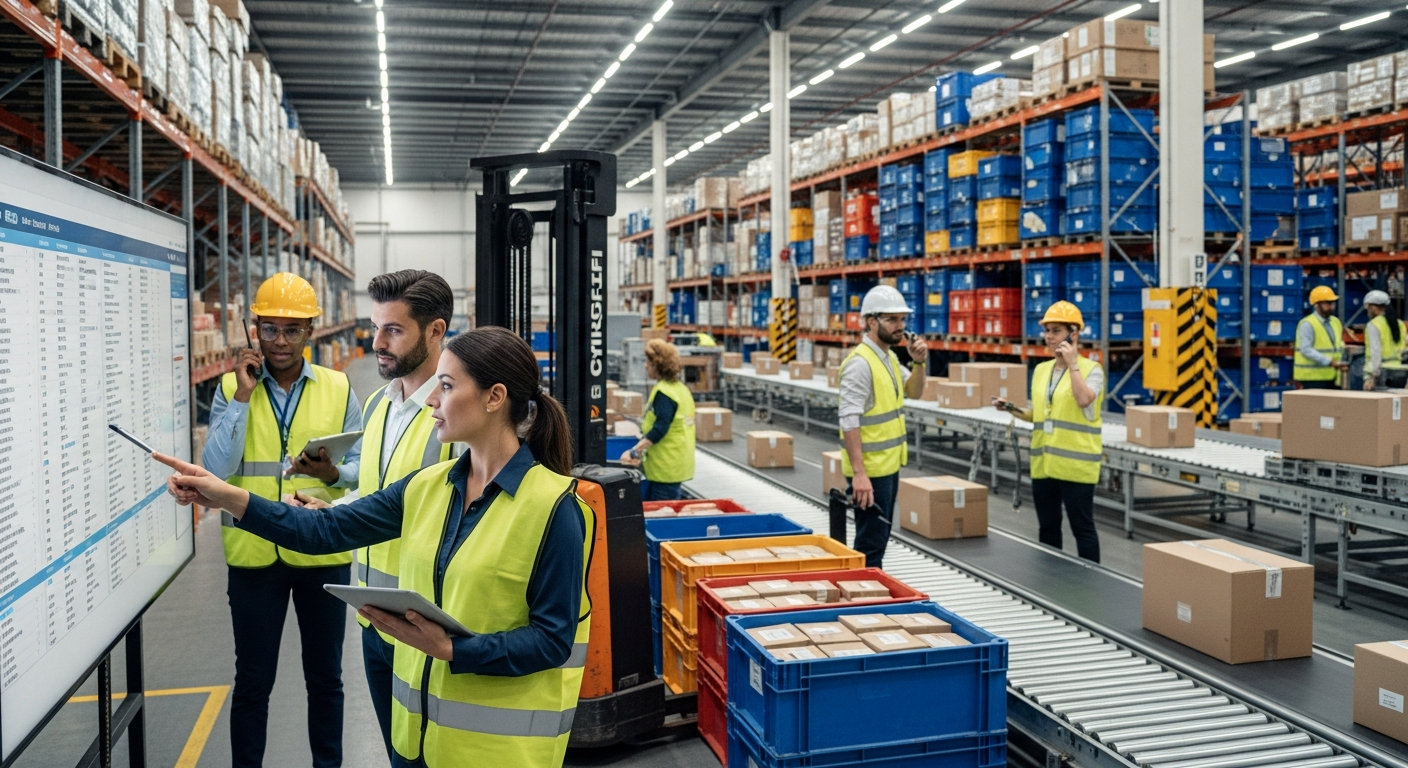
Many traditional manufacturing companies know they need to modernize, but aren't sure where to start or how fast to move. Legacy equipment, paper-based workflows, siloed systems, and cultural resistance often slow progress, even when leadership is committed.
A well-defined digital transformation roadmap bridges the gap between vision and execution. It helps manufacturers modernize step-by-step, without risking downtime, safety, or output.
Here's a practical roadmap any traditional factory can follow.
1. Establish a Digital Vision & Leadership Alignment
Transformation fails when digital goals are unclear. Start by defining what problems digitalization must solve, what outcomes matter most, productivity, cost, quality, visibility, which processes are bottlenecked today, and how digital will support customers, suppliers, and workers.
Leadership alignment ensures the roadmap receives lasting support.
2. Conduct a Factory-wide Digital Maturity Assessment
Before upgrading, manufacturers must understand their current state. Assess machinery and automation readiness, quality, maintenance, and production data availability, existing ERP/MES/SCADA systems, paper-driven workflows, IT & OT cybersecurity maturity, and workforce digital skills.
This baseline guides the investment and prioritization strategy.
3. Start with High-Impact, Low-Risk Use Cases
Transformation must deliver wins early. Choose use cases that are easy to deploy, highly measurable, and directly linked to operational KPIs, such as digital work instructions, paperless quality inspections, automated production reporting, maintenance logging apps, and IoT-enabled machine monitoring.
These quick wins build momentum and worker trust.
4. Build the Digital Foundation: Connectivity + Data
A strong foundation is essential before adding advanced technologies. Focus on robust industrial Wi-Fi, sensorization of critical machines, data integration between ERP/MES/PLC systems, and a centralized data lake or manufacturing data platform.
Without clean, connected data, no AI or automation initiative succeeds.
5. Scale Low-Code Tools for Fast App Delivery
Low-code platforms allow operations, quality, and maintenance teams to build apps quickly, including digital checklists, scrap reporting, machine downtime logs, material movement forms, and operator shift dashboards.
This reduces the burden on IT and accelerates transformation.
6. Introduce AI & Automation into Core Processes
Once foundational digitization is in place, deploy AI where it delivers the most value:
AI turns reactive operations into proactive ones.
- AI-driven quality inspection (computer vision)
- Predictive maintenance based on machine data
- Automated forecasting & planning
- AI agents for production scheduling
- Intelligent document processing for the supply chain
7. Strengthen Cybersecurity & Governance
Digital factories increase risk exposure. Focus on zero-trust architectures, secure access for OT & IT, real-time threat monitoring, device authentication, and backup & disaster recovery protocols.
Cybersecurity must scale alongside digital investments.
8. Scale Across Plants with Standardization
Once pilots succeed, standardize playbooks: reusable app templates, unified data models, standard operating procedures, shared governance frameworks, and multi-plant rollout plans.
Consistency prevents fragmentation and accelerates ROI.
9. Build Workforce Capability & Culture
Successful digital transformation depends on people, not just tools. Invest in hands-on training, citizen developer programs, upskilling for AI/automation, incentives for digital adoption, and transparent communication.
A digitally confident workforce drives sustainable change.
Final Thought
Digital transformation isn't a one-time project, it's a continuous evolution.
Traditional manufacturers that follow a structured roadmap can modernize at their own pace while unlocking higher productivity, reduced waste, improved quality, greater agility, and stronger competitiveness.
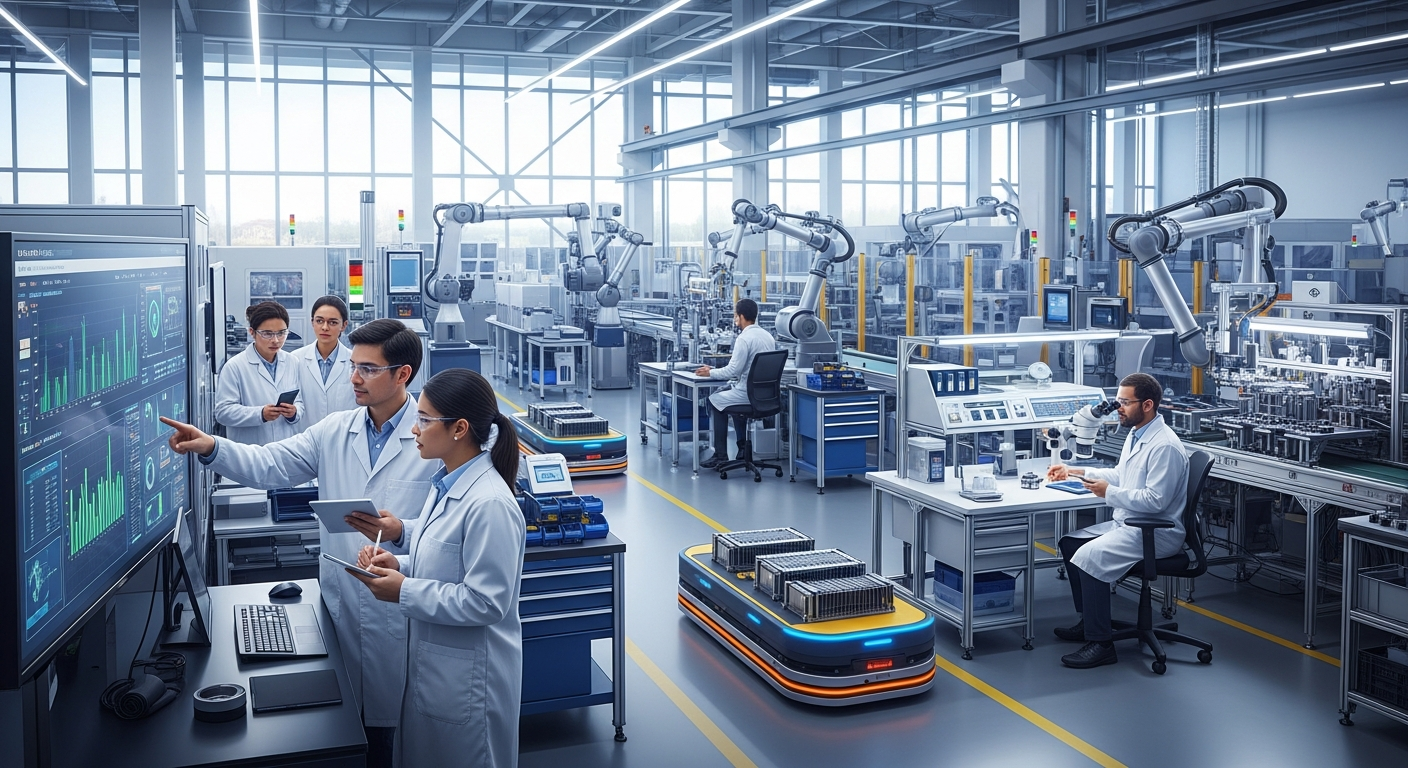
The factories of the future will be connected, intelligent, and adaptive, and the roadmap begins now.